
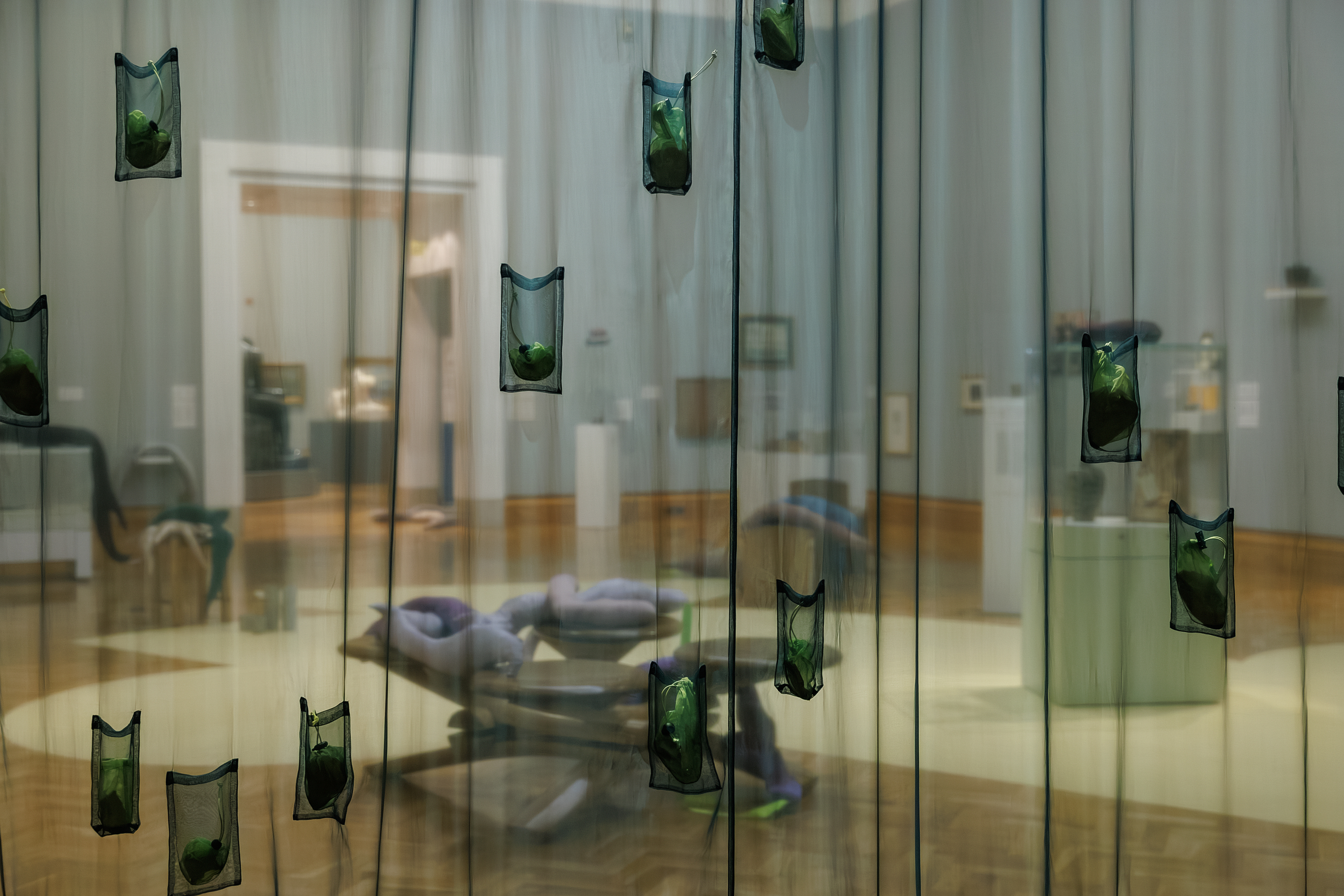
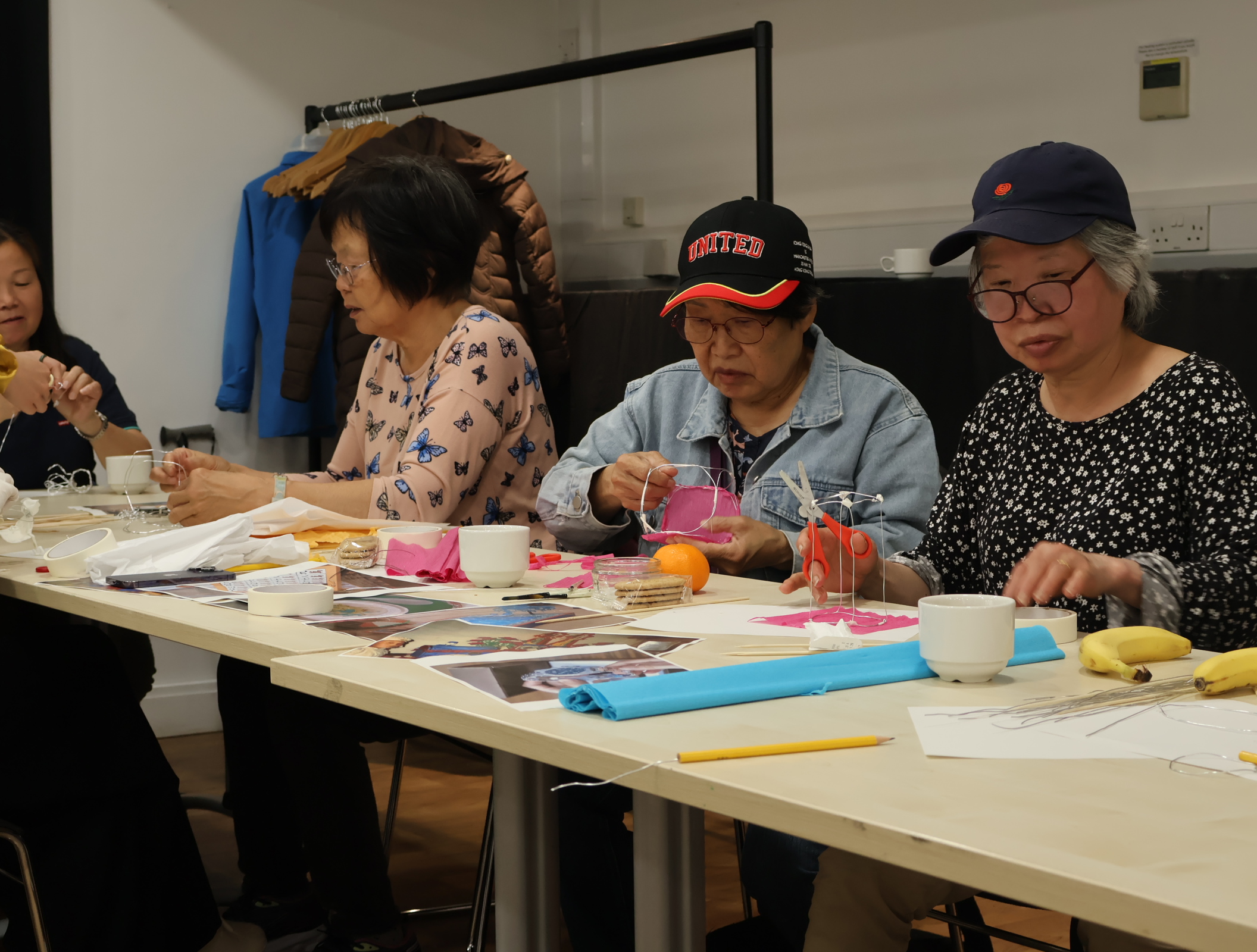
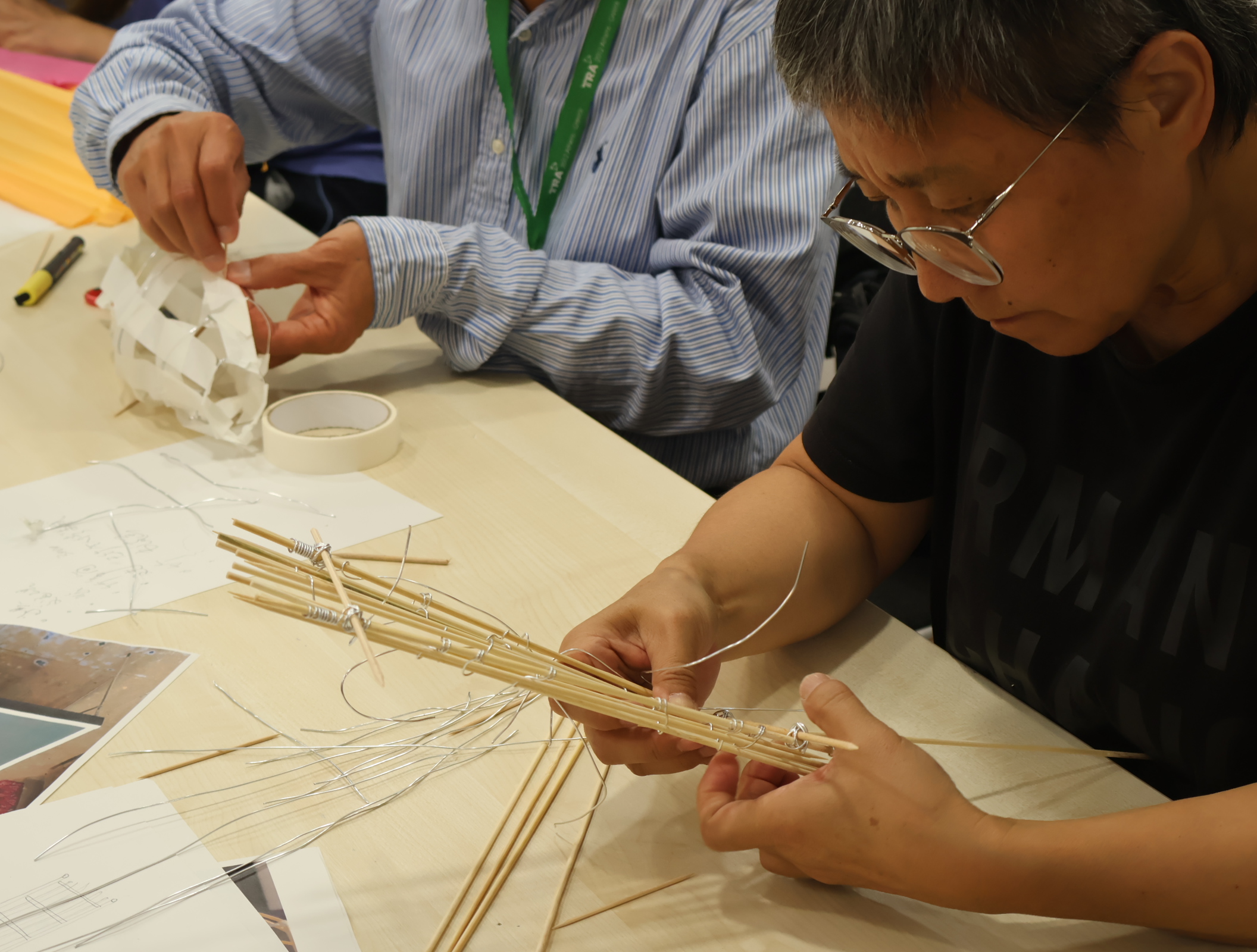
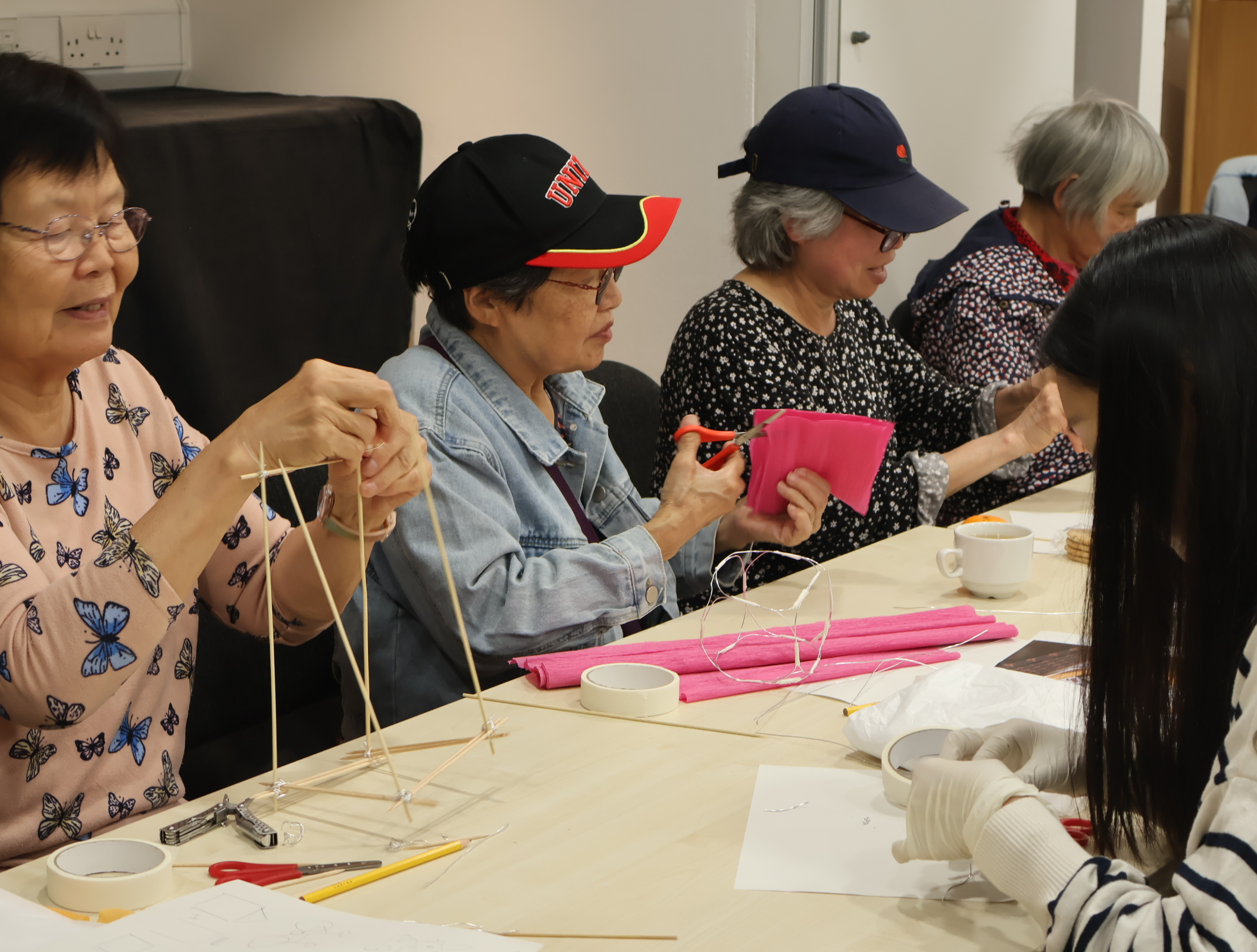
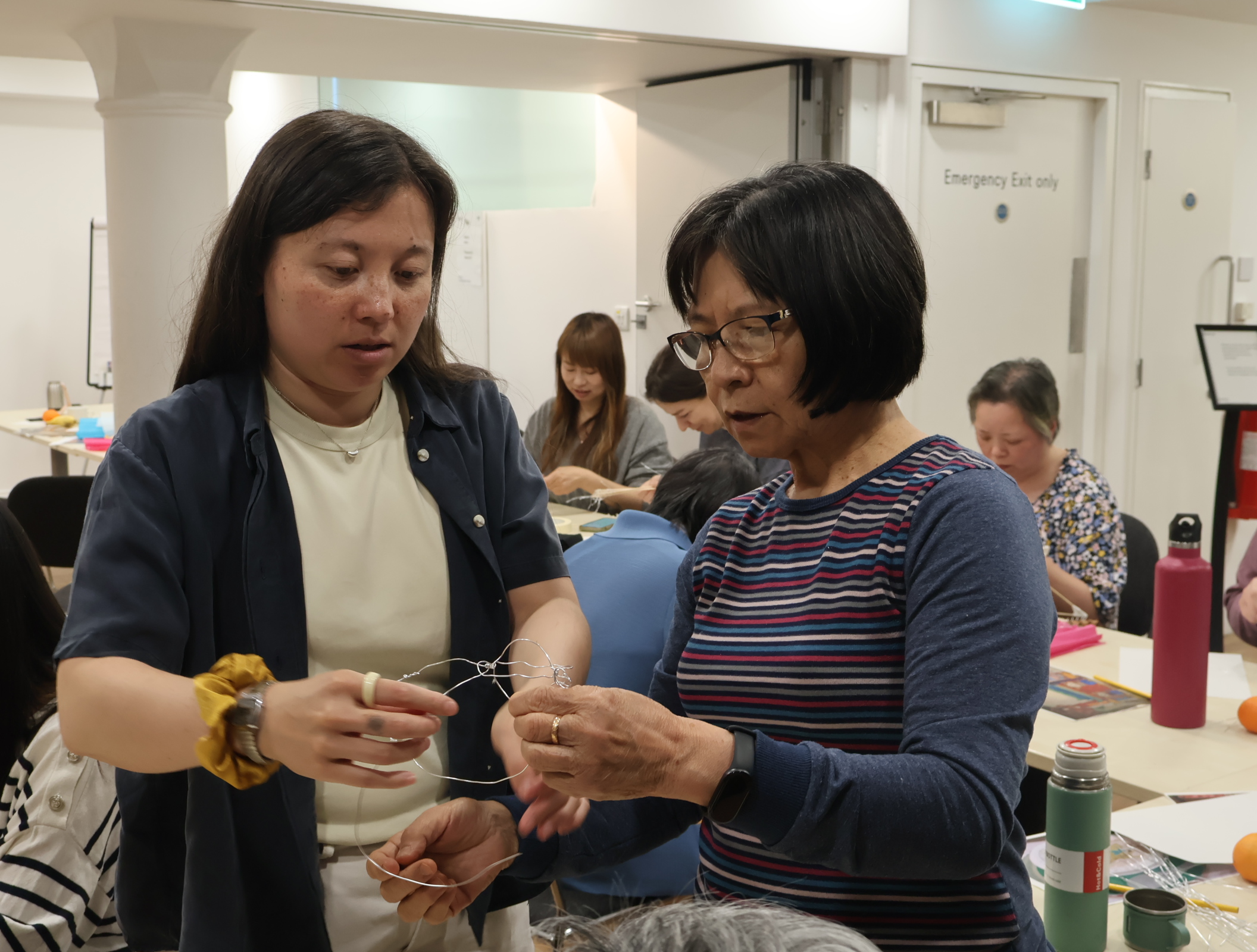
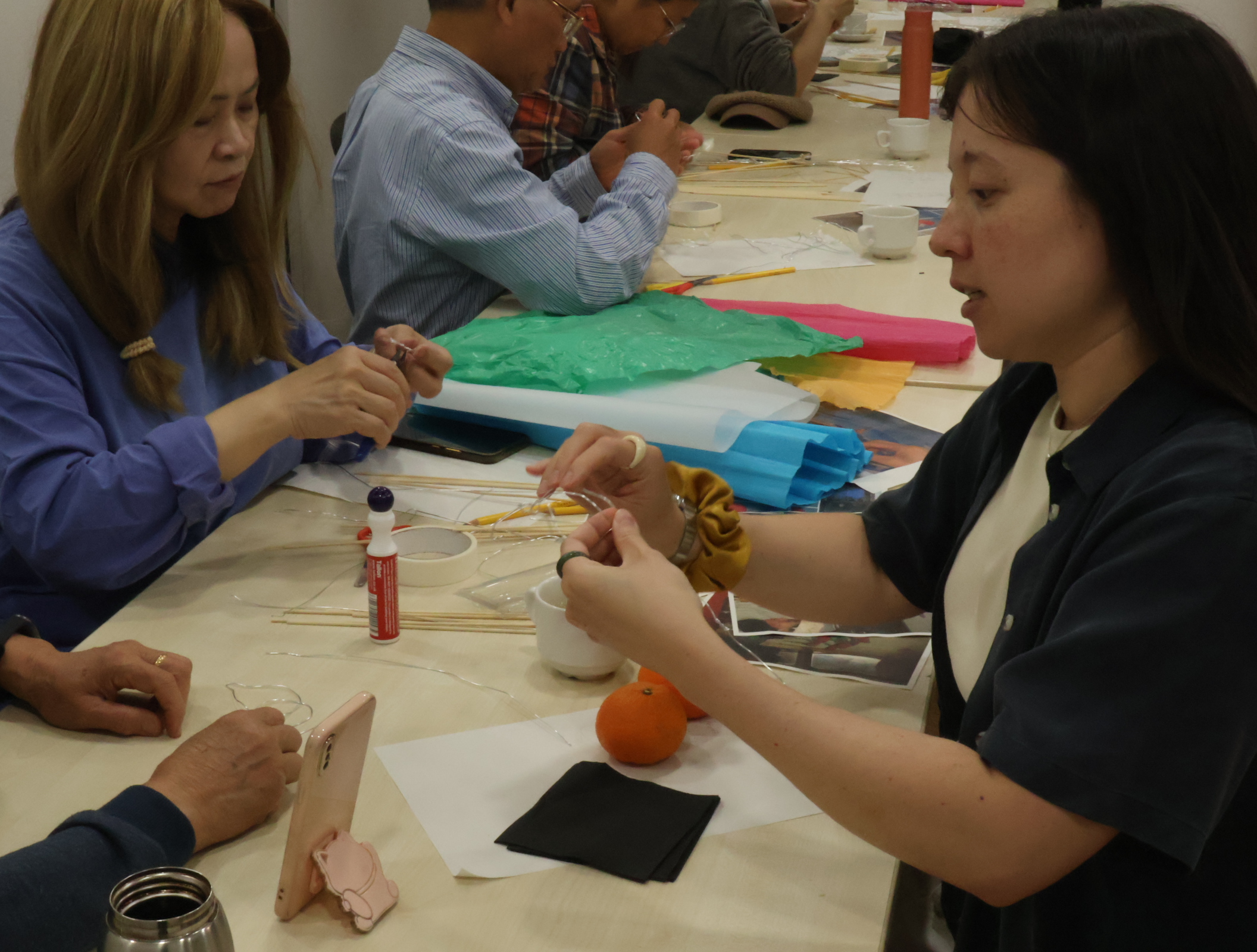
As part of her residency at esea contemporary, Sophie Mak-Schram invites participants to a collaborative workshop exploring zhizha, the traditional Chinese practice of crafting bamboo and paper sculptures for funerary and celebratory rituals. Historically burned as offerings for ancestors, these ephemeral structures carry histories of migration, repression and transformation, having been driven underground during the Cultural Revolution before continuing across diasporic communities, including in Hong Kong.
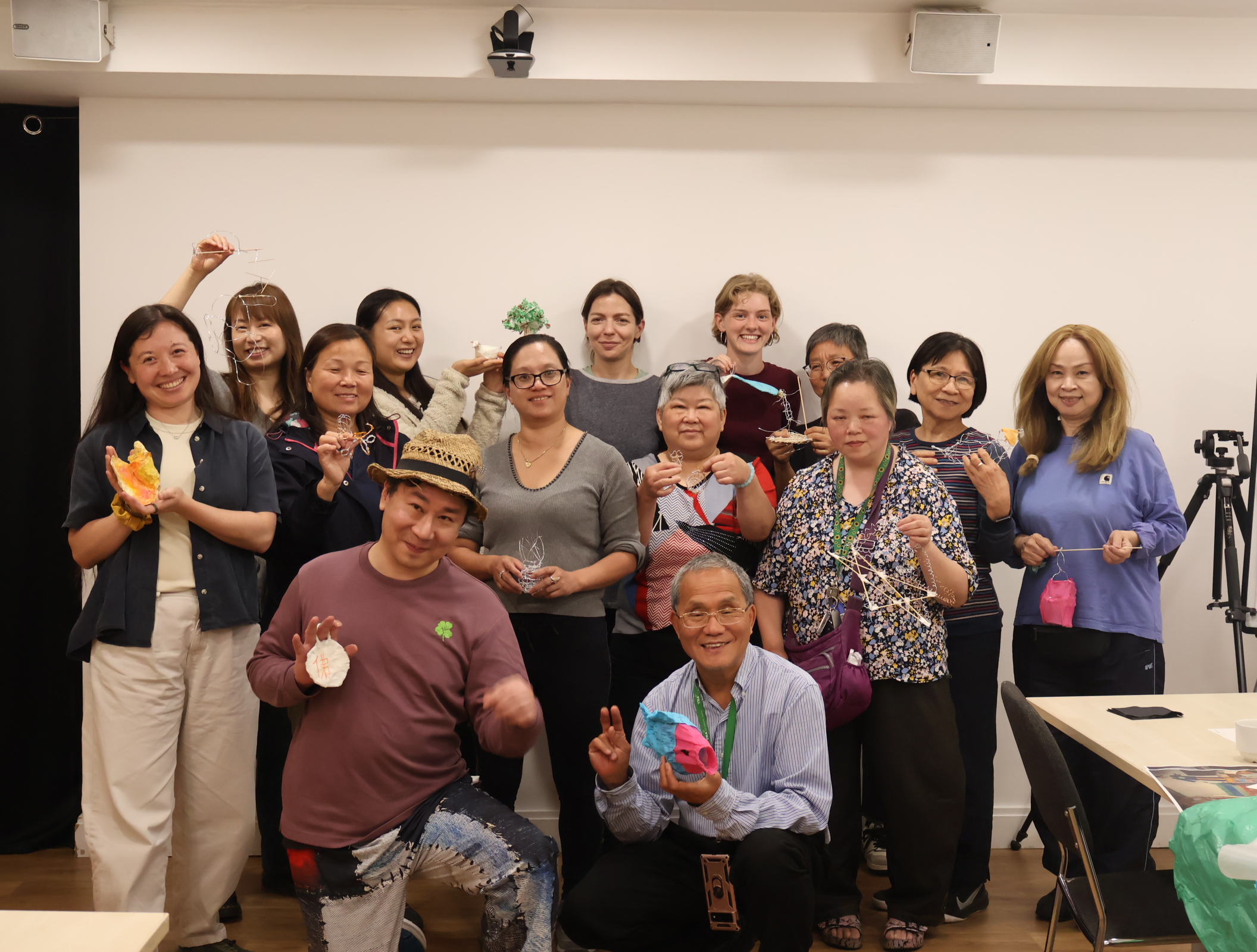
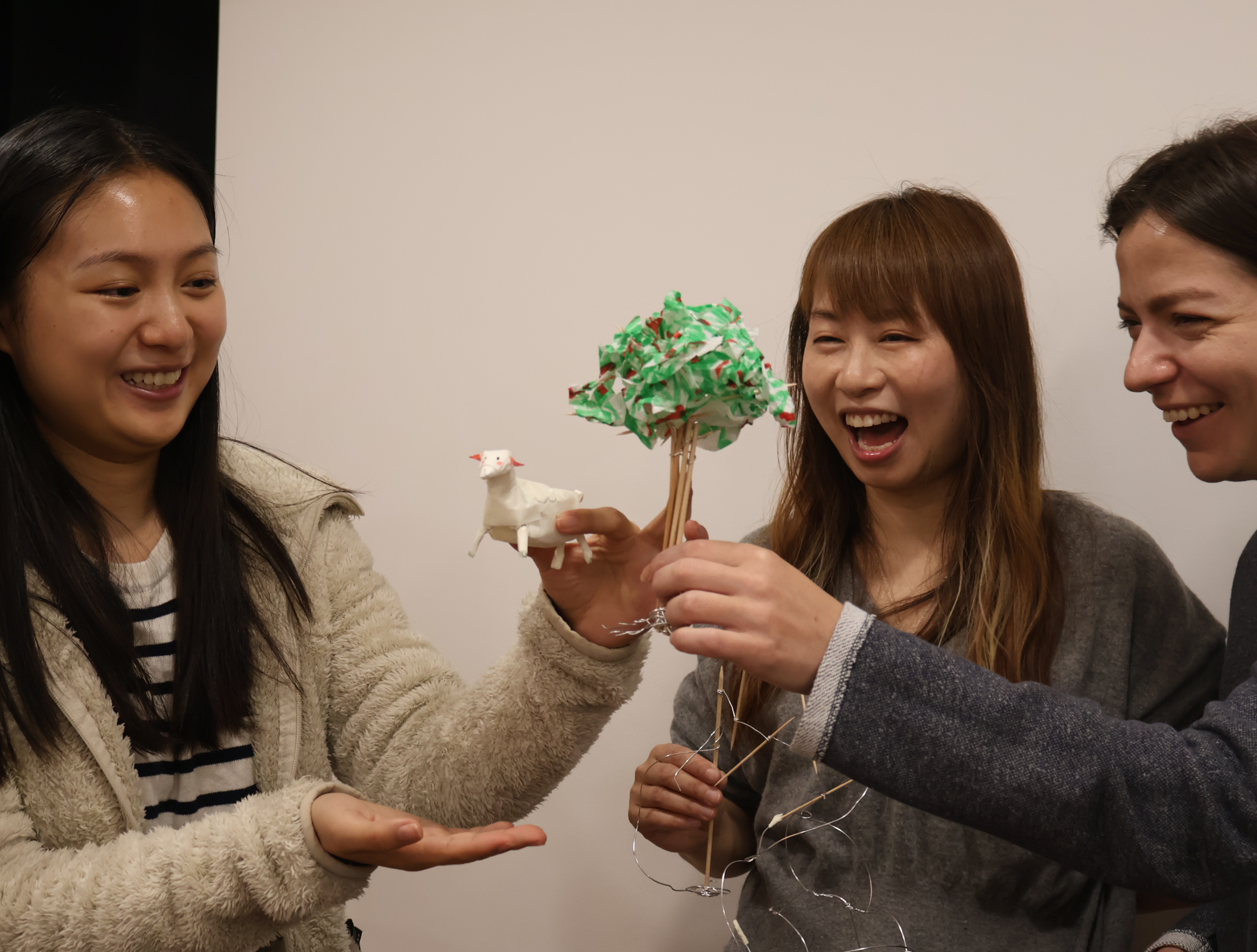
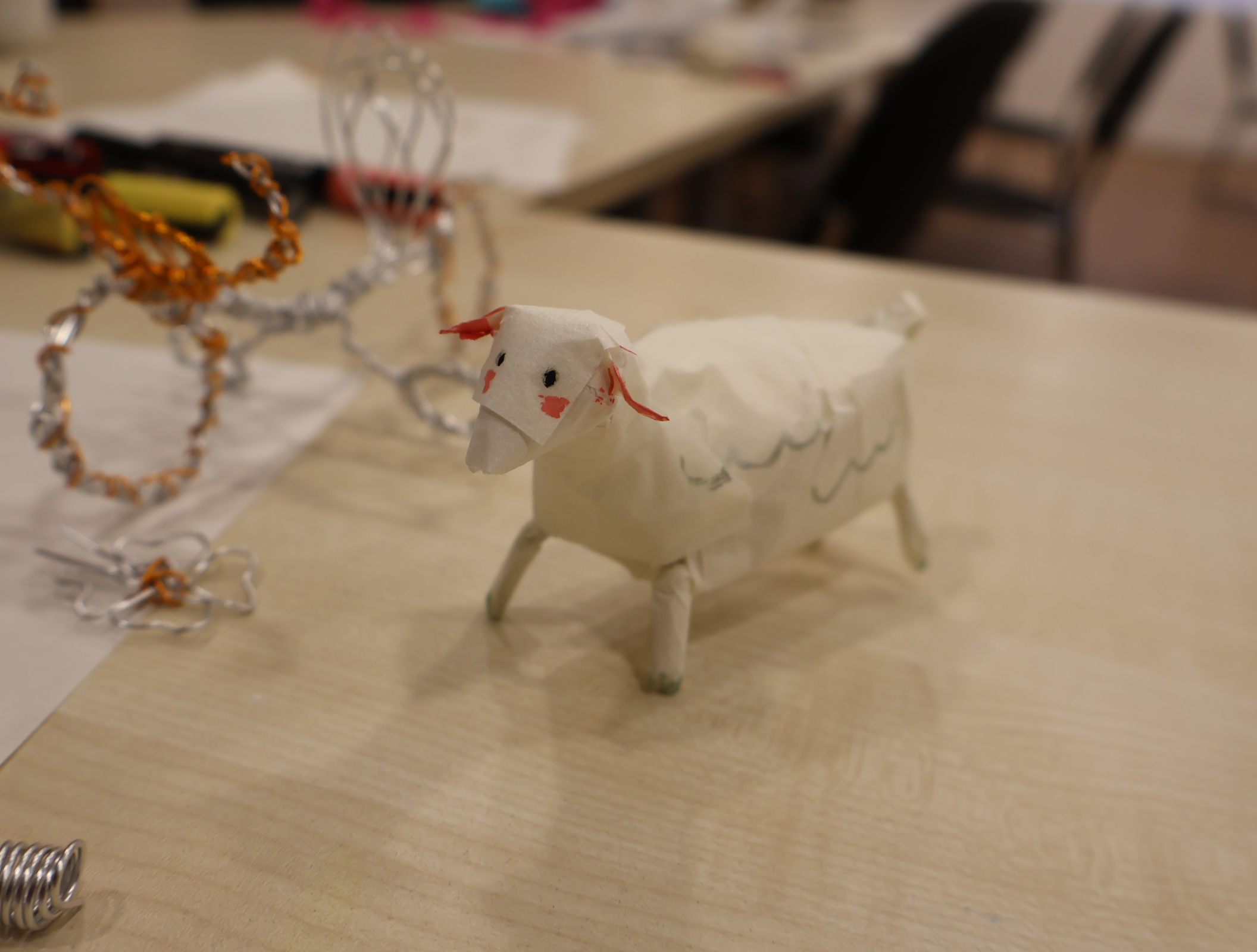
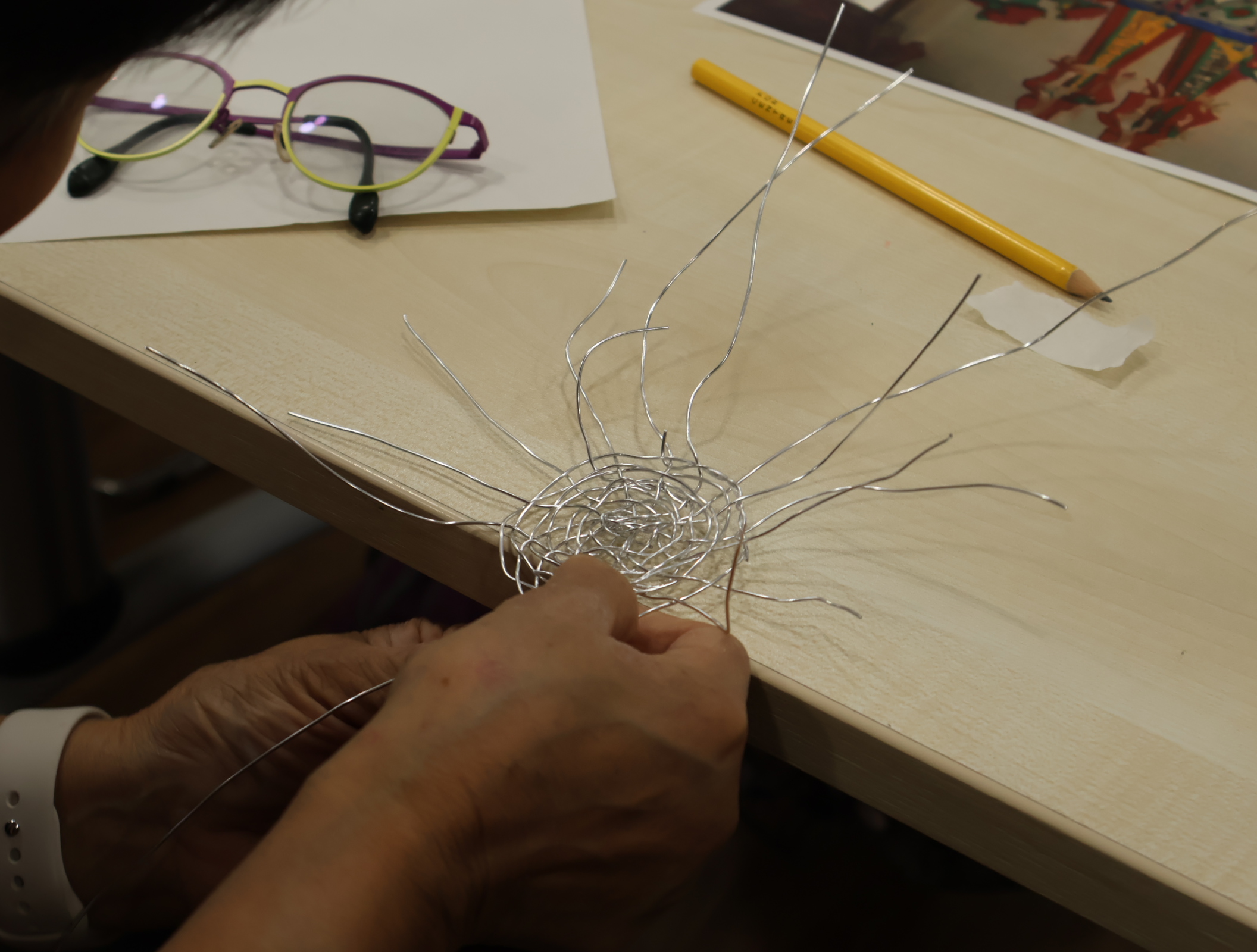
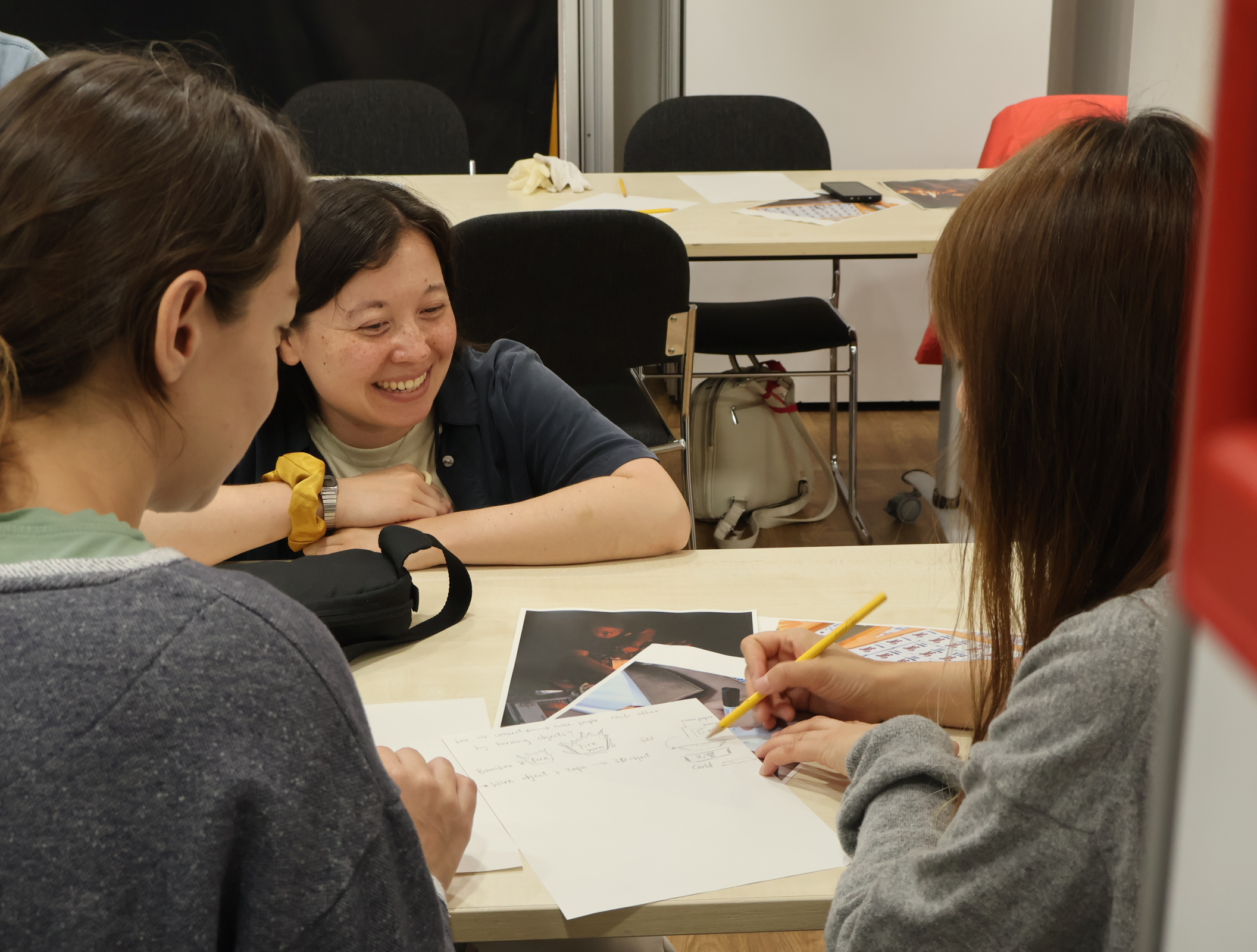
Working with metal, masking tape, and daily objects, this workshop encourages collective memory to form part of the artist’s ongoing research into how zhizha might speak to contemporary questions of ecological futures, impermanence, and social connection. Together, participants will explore the material possibilities of sculpture-making while sharing stories, memories and speculative approaches to building ‘other bamboo worlds’ (past, present or future).

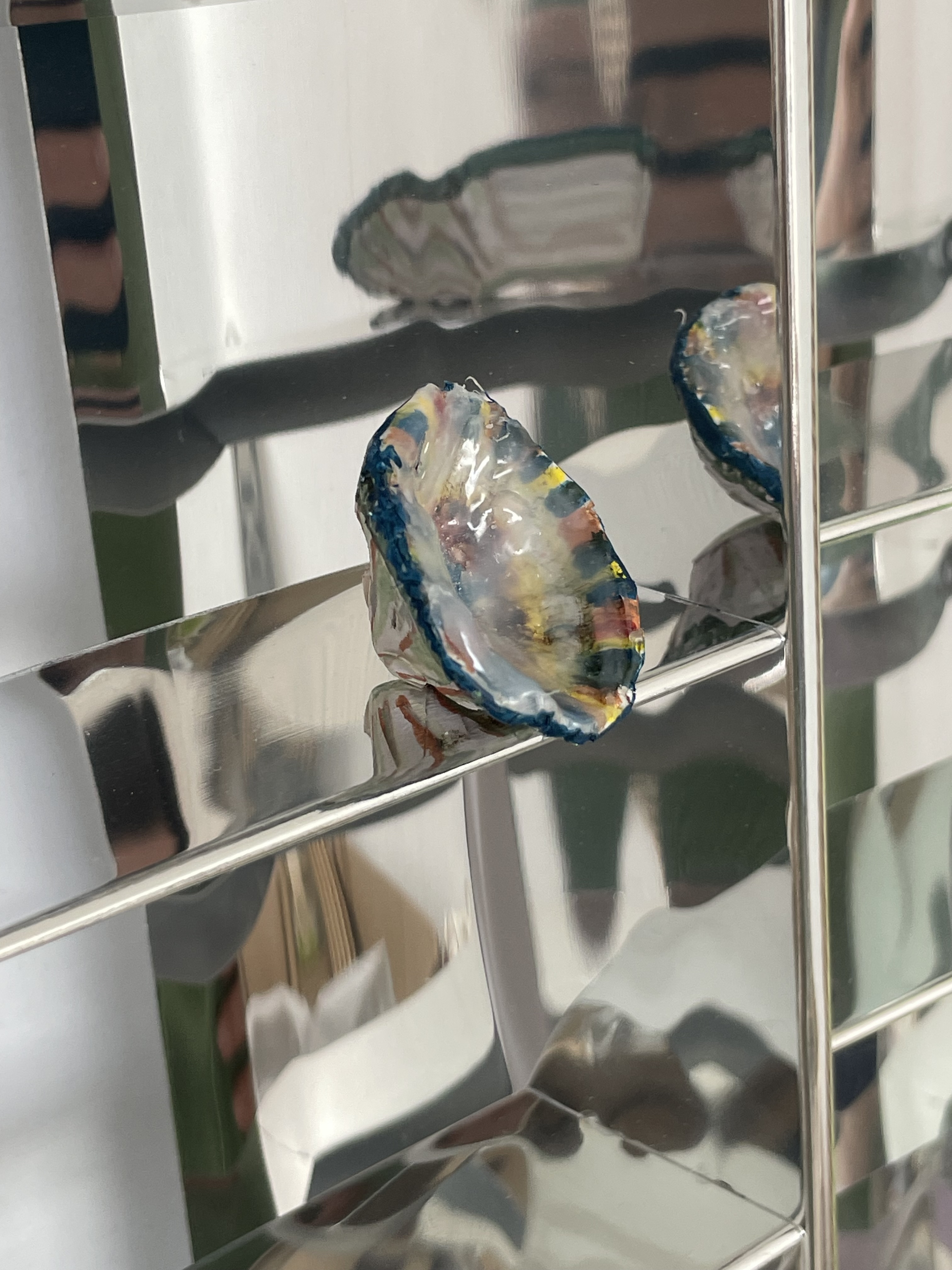
%2C%20National%20Museum%20Cardiff%2C%20photograph%20by%20Dan%20Weill.jpg)
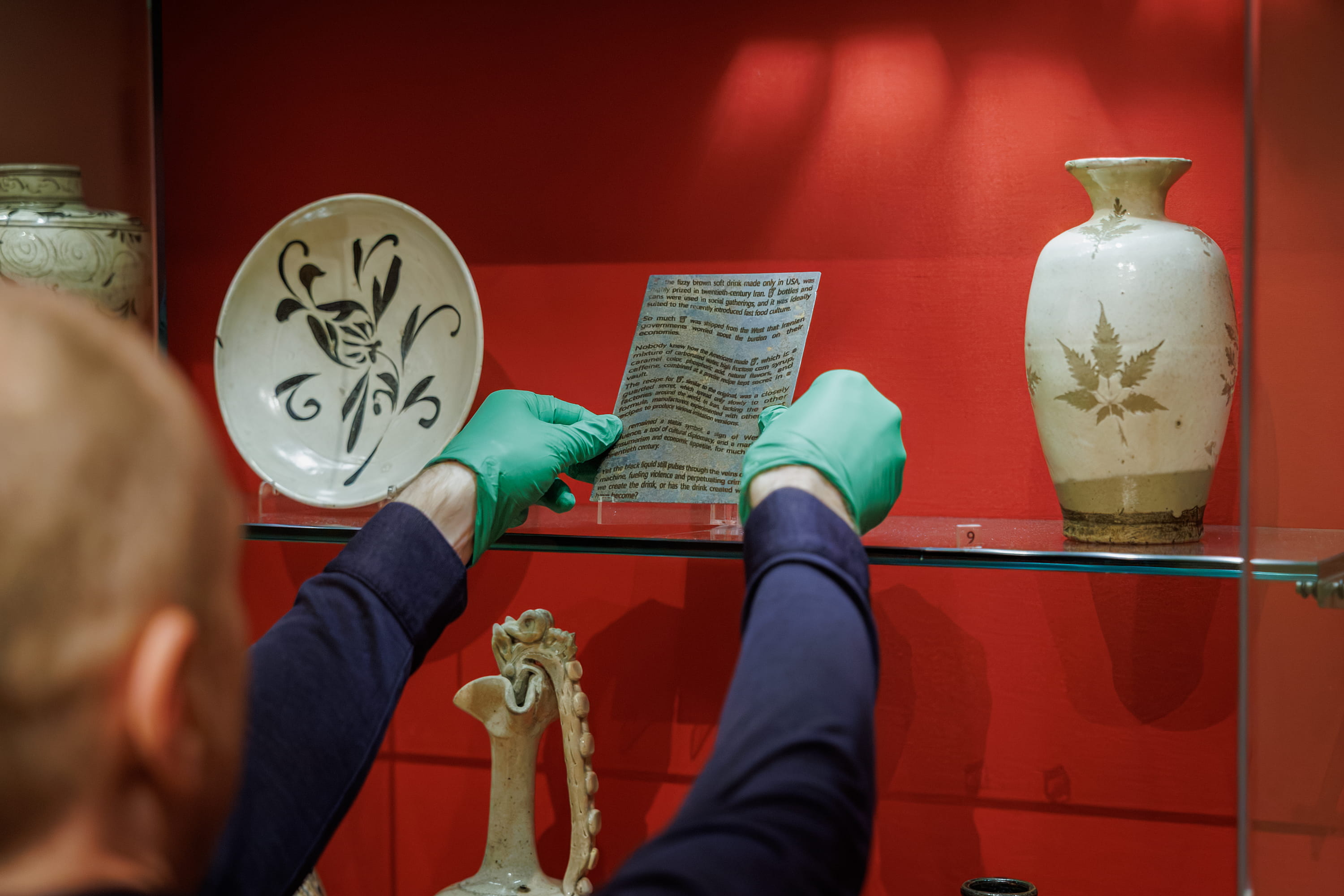
%20photograph%20by%20Polly%20Thomas.jpeg)
Developed in dialogue with Manchester’s Chinese and ESEA communities, the residency also draws on research into local museum collections, including funerary paper objects held within the city’s galleries and archives.
Booking is essential to attend this event.
Sophie Mak-Schram is a Cardiff-based artist whose practice spans artistic research, radical pedagogies and collaborative, place-based work. Engaging questions of power, collectivity, knowledge and future-making, her work is shaped by experiences of cultural difference, coloniality, race and gender.
Working across writing, print, ceramics, audio and installation, she often uses the metaphor of the ‘tool’ to explore alternative ways of relating to one another, to institutions and to place.
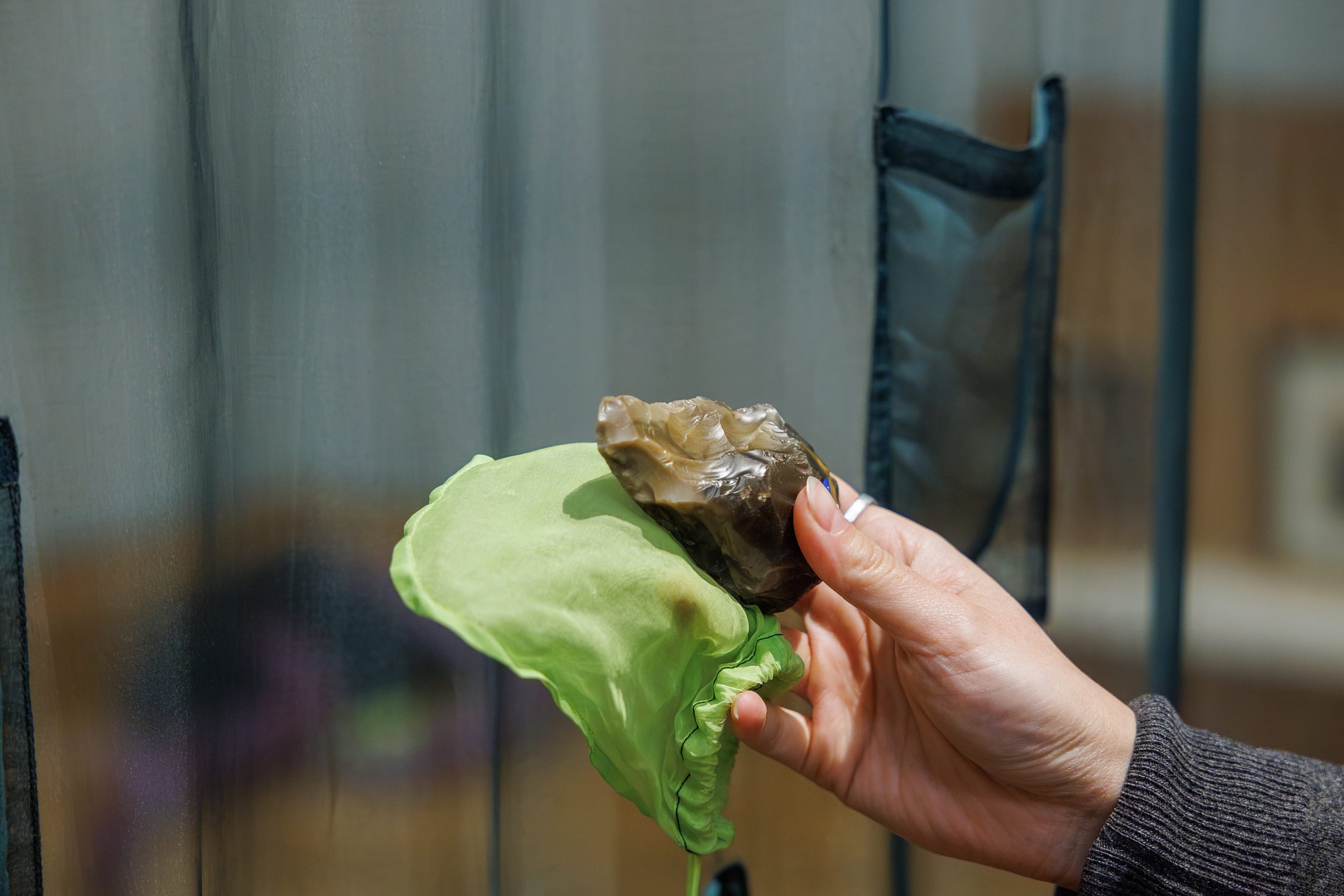
Recent projects include To Shift a Stone (2025–26), commissioned by National Museum Wales and Chapter Arts Centre, and Stretching Thresholds, Holding Streams (2024–25), in collaboration with Jeanne van Heeswijk and commissioned by Migros Museum of Contemporary Art. Mak-Schram is currently Lecturer in Fine Art at Cardiff Metropolitan University and part of BAK Basecamp for Tactical Imaginaries.