esea contemporary is pleased to present From Island to Mountain Town, an online panel discussion moderated by curator and writer Binghuang Xu. Bringing together practitioners from four independent art organisations across China, the conversation explores how contemporary art is shaped by place, and how artistic practice emerges in regions beyond established cultural centres.
The discussion considers what it means to work where cultural infrastructure, education, social support, and public resources remain limited, and how these conditions continually reshape artistic approaches. Rather than treating such contexts as peripheral, the speakers reflect on how art becomes a way of making space, building relationships, and responding to local realities. Moving from Hainan Island to the Pearl River Delta, from Southwest Guizhou to a mountainous county town in Zhejiang, Binghuang Xu brings together Haoduo Tang from Kindergarten Without Walls, Er Gao (Qiwo He) from Ergao Dance Production Group, Ran Zhou and Yunshan Jiang from Baopu·FELT, and Dingyu Hu from the Art Museum of Pond Loach.
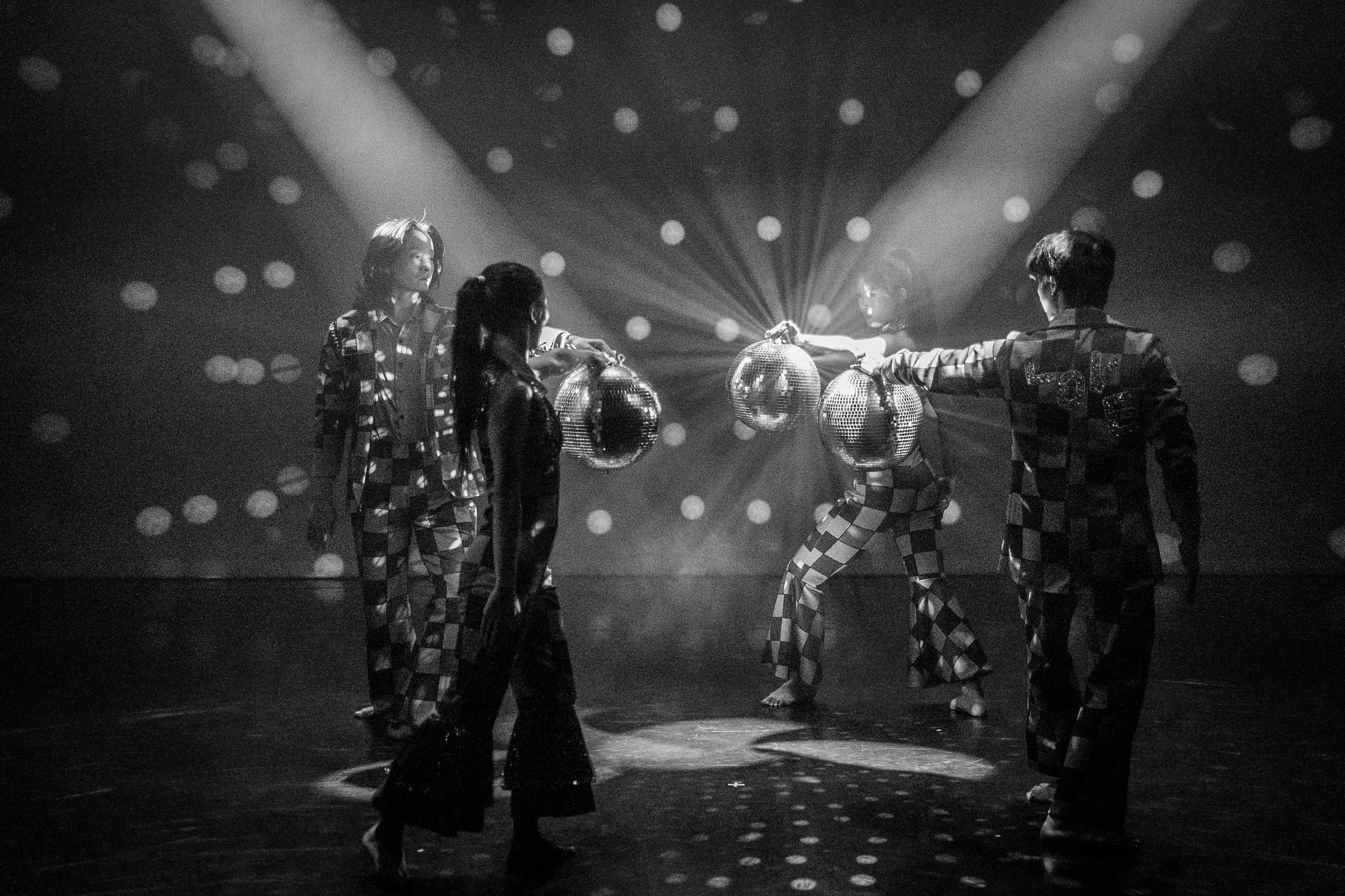
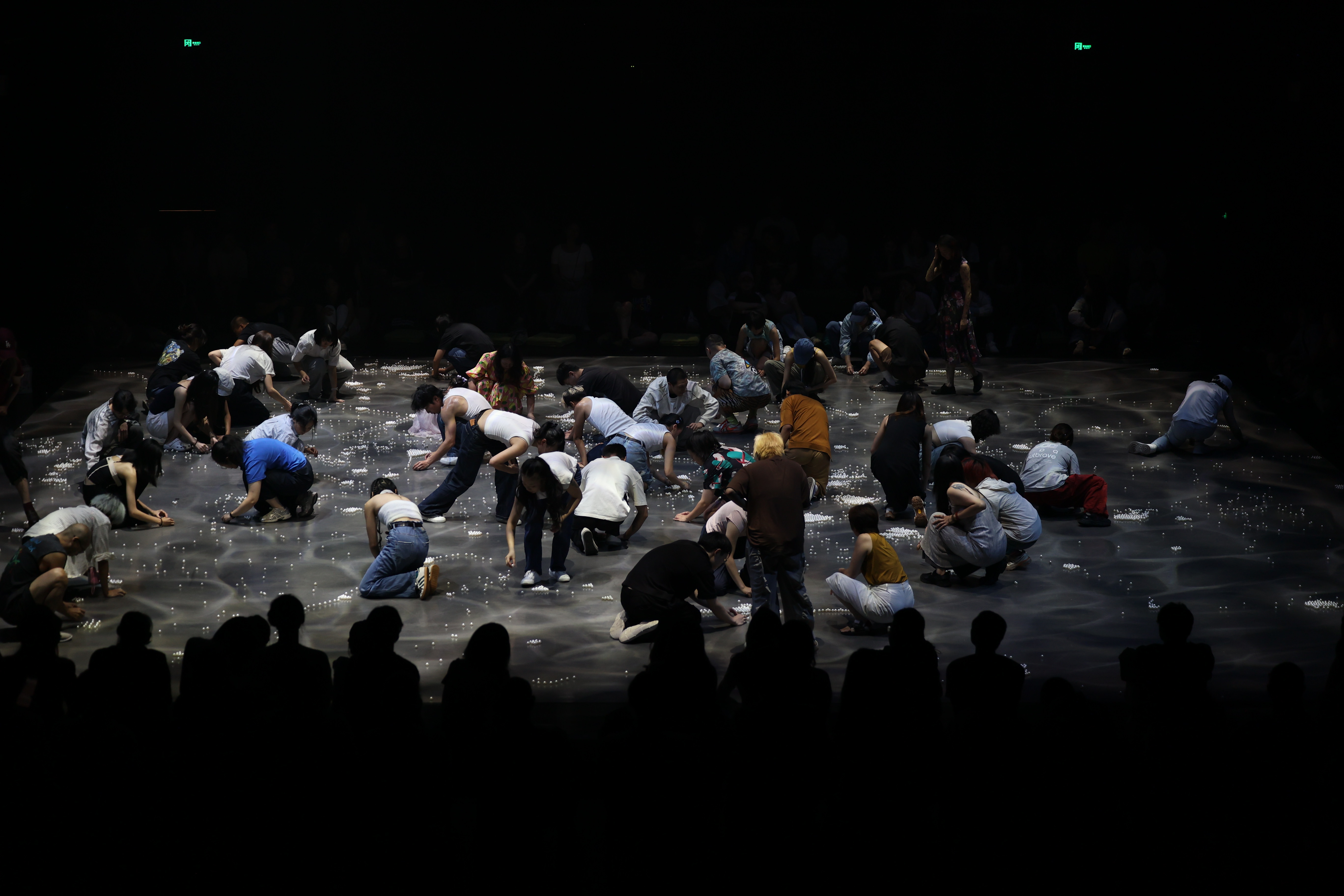
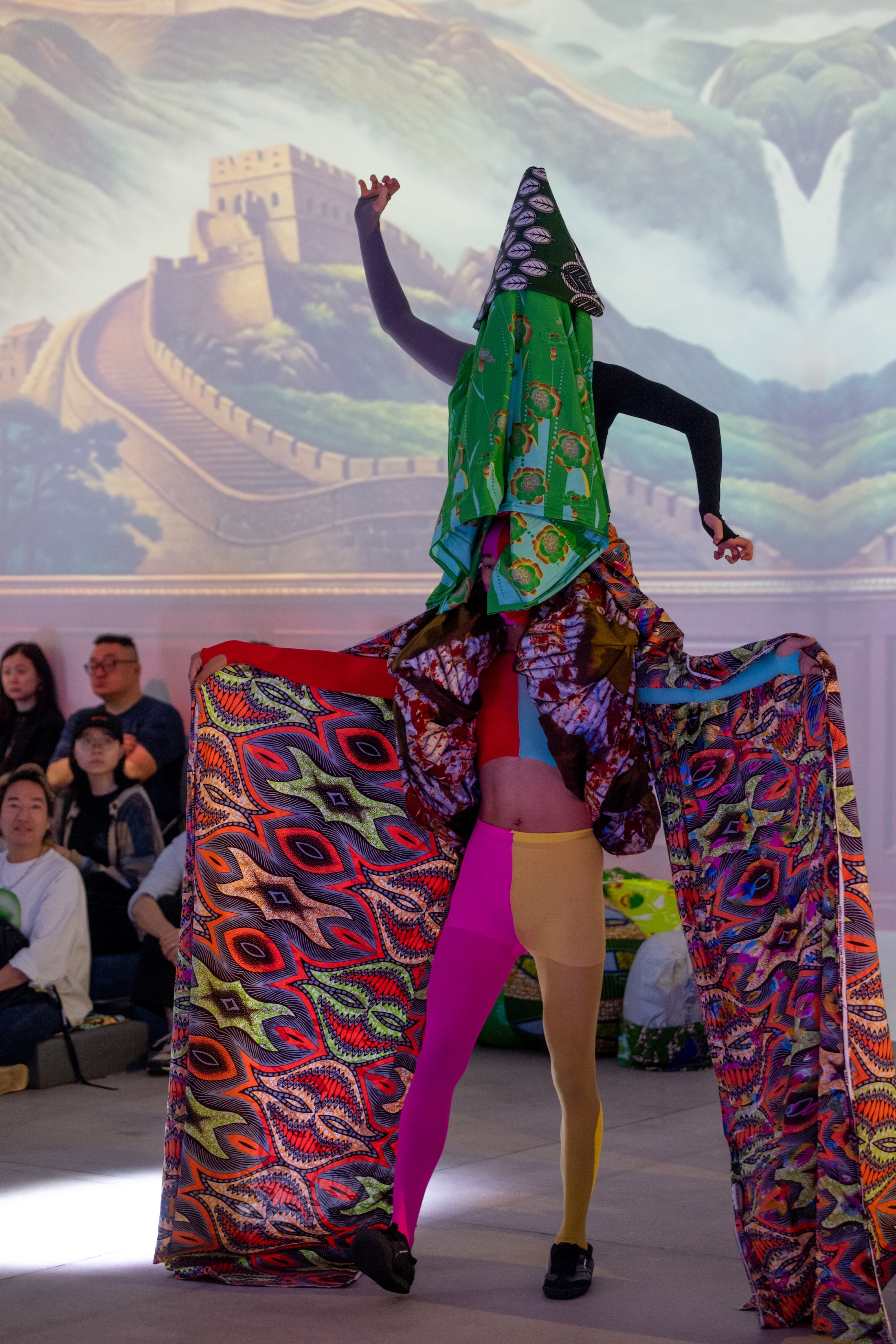

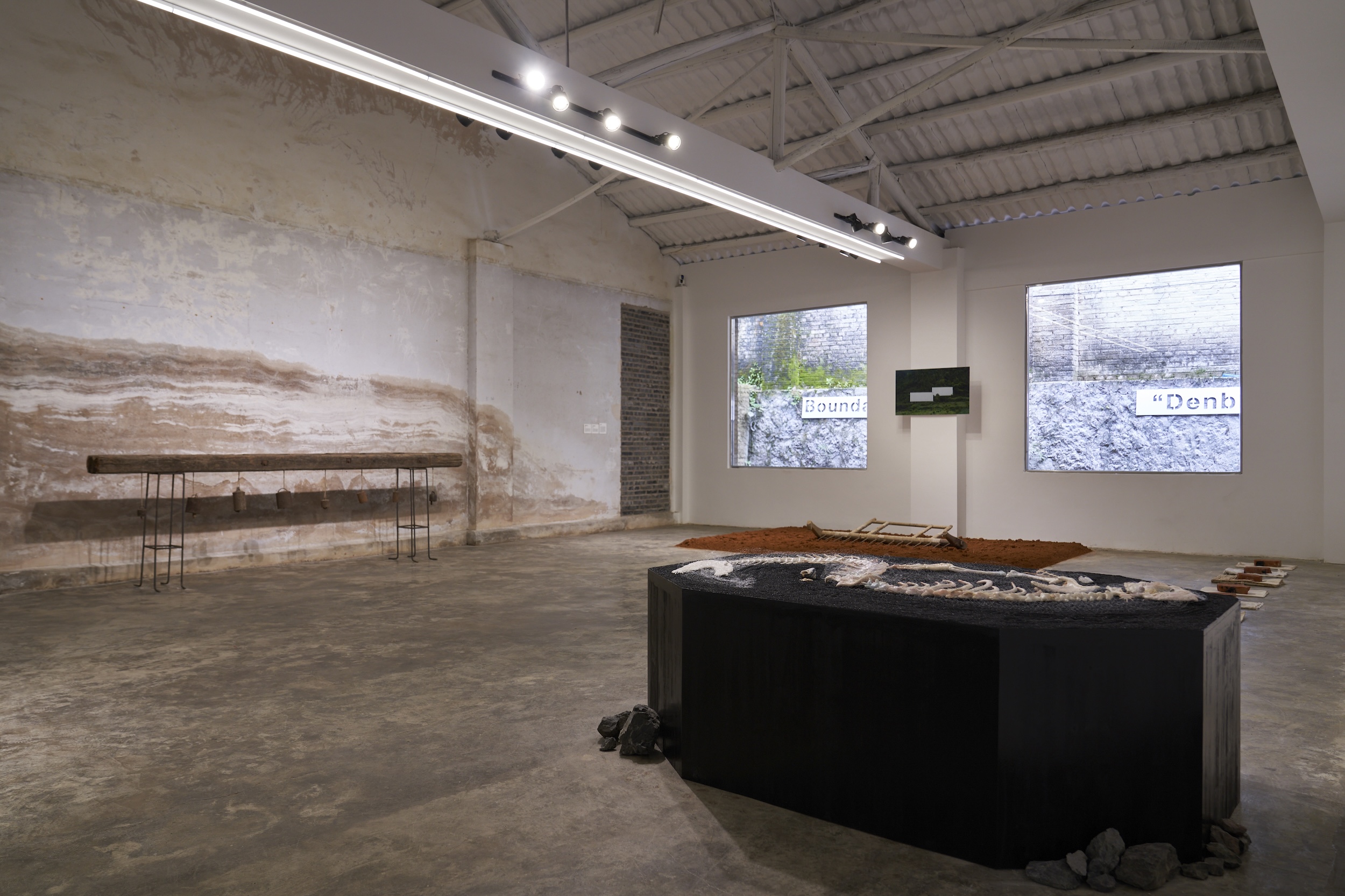
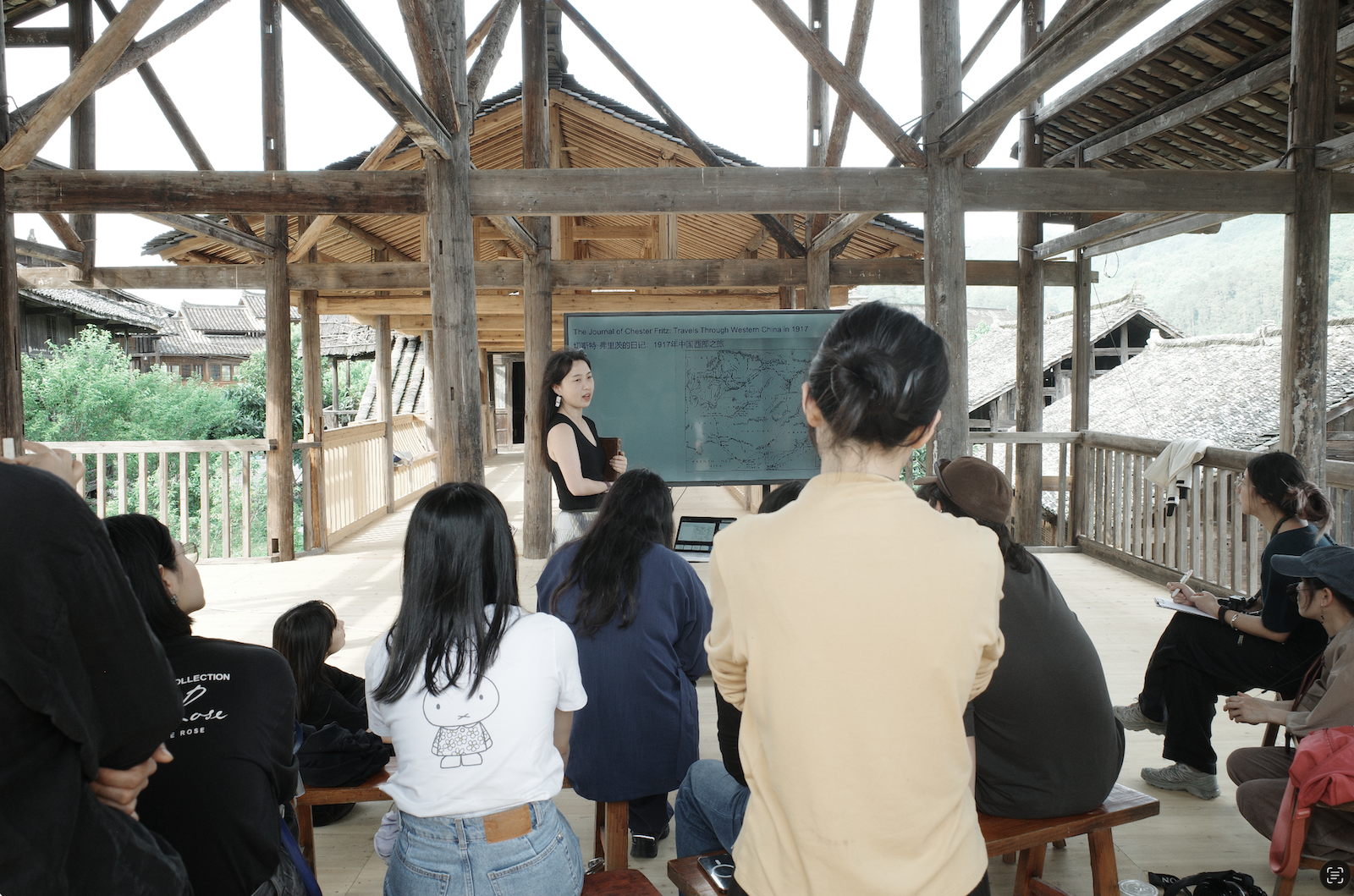
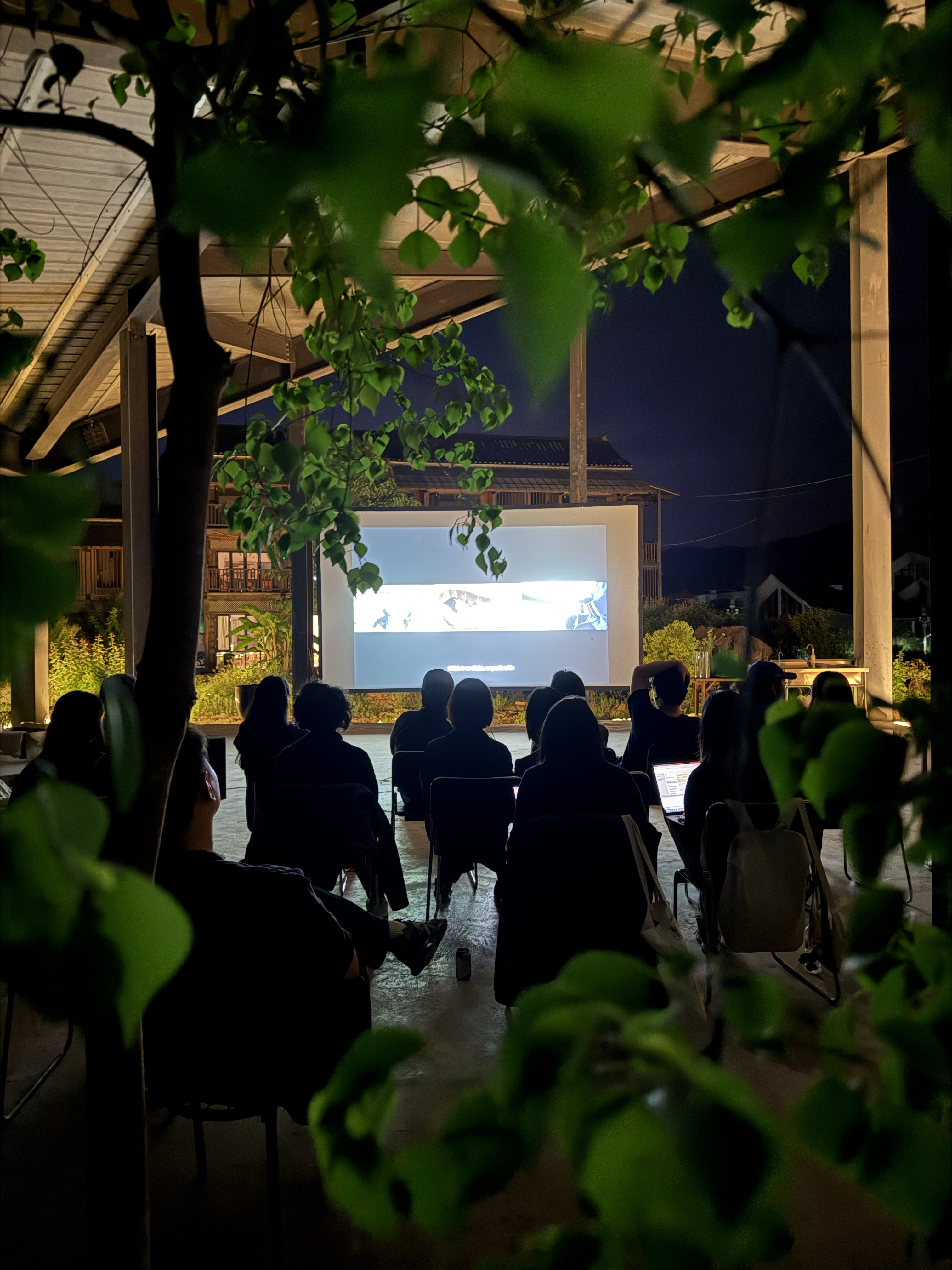
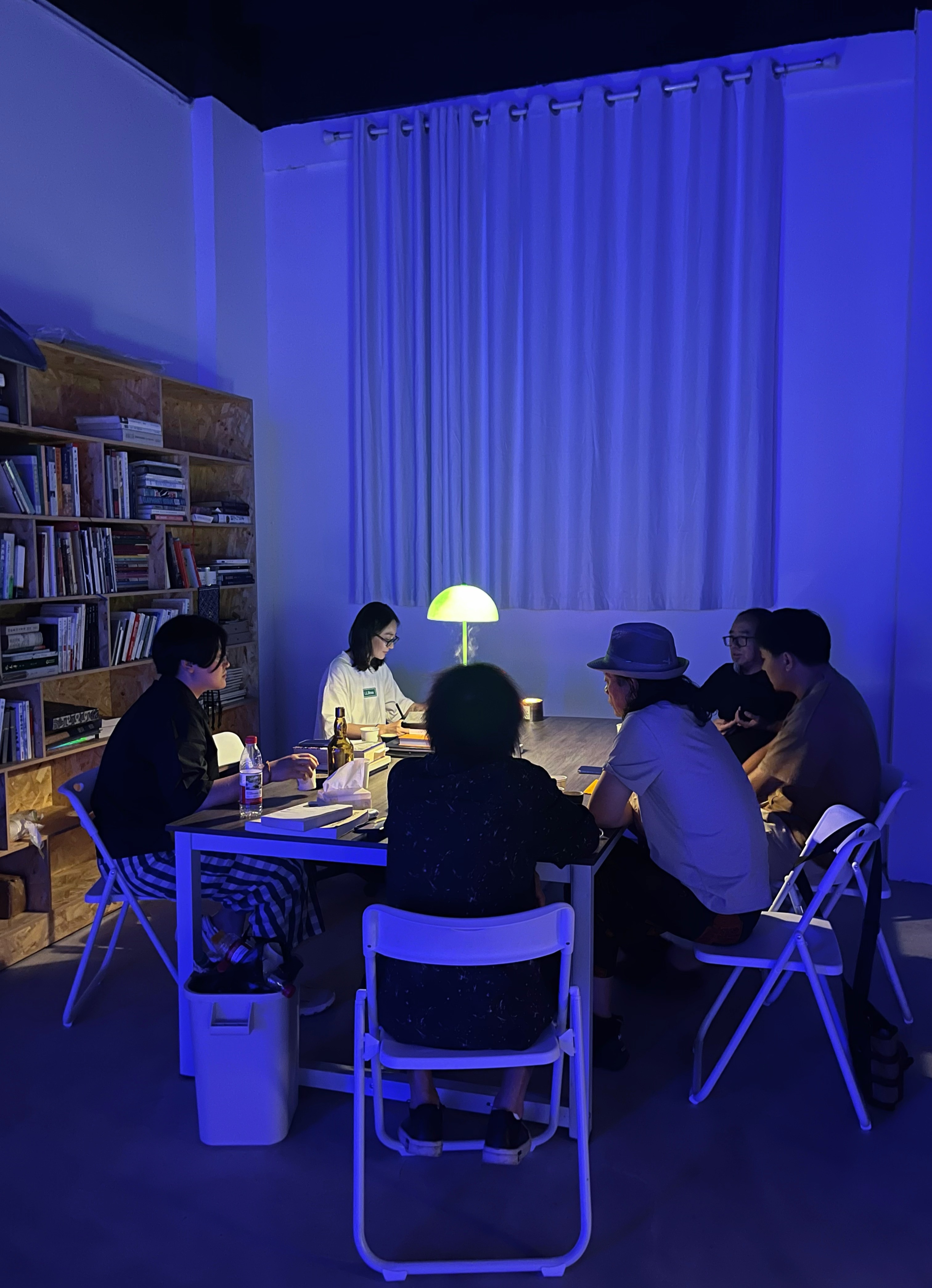
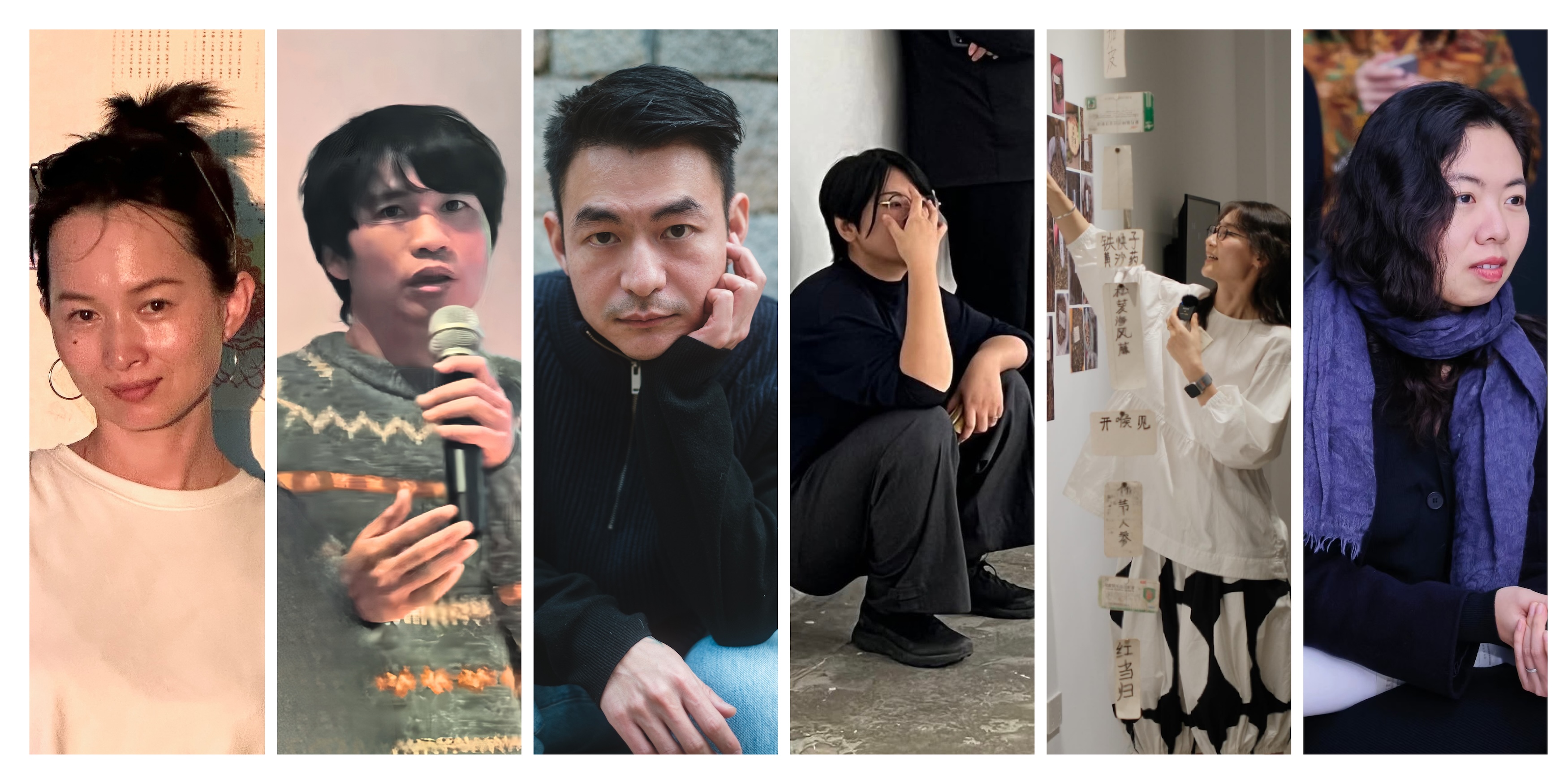
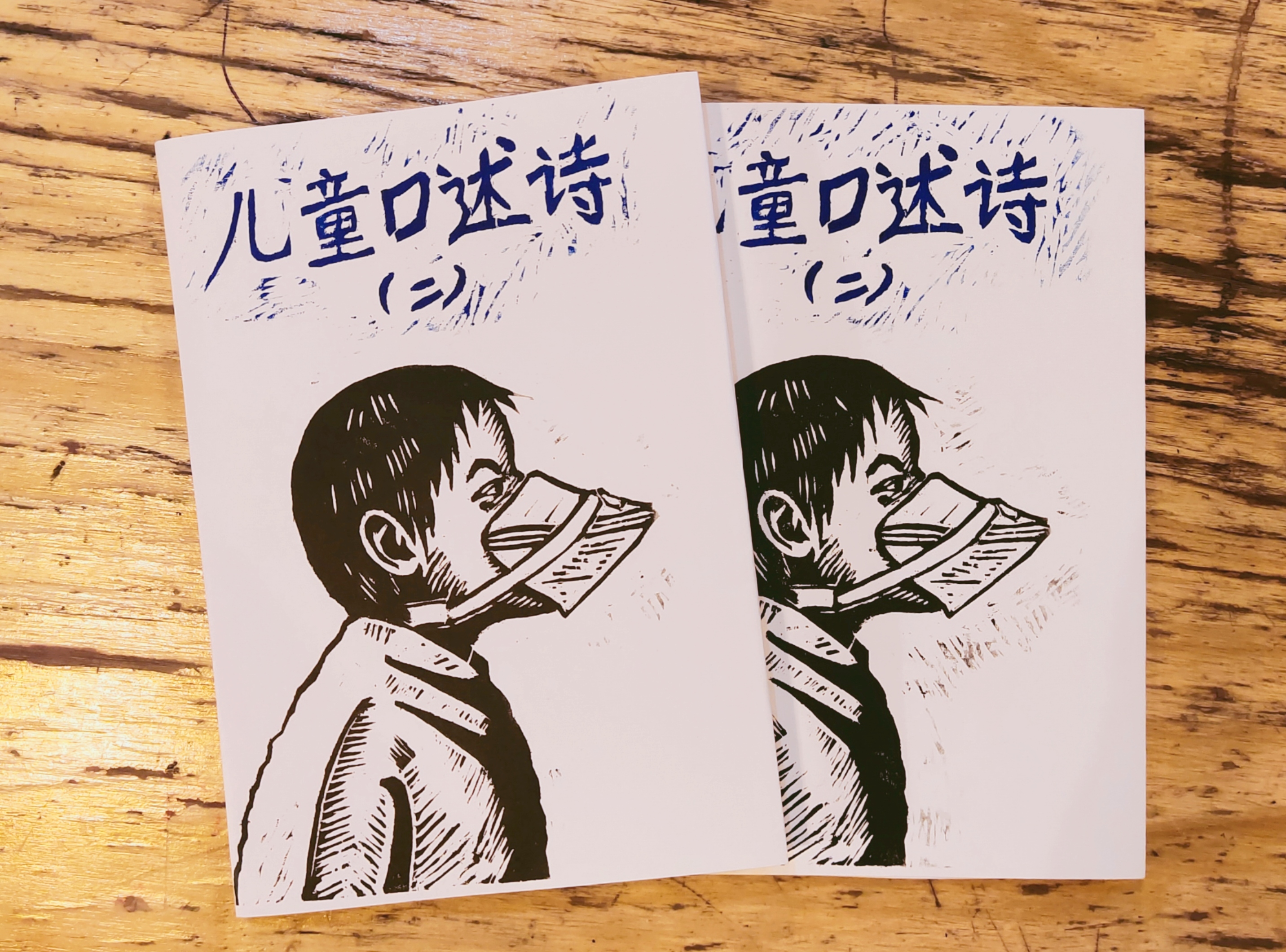
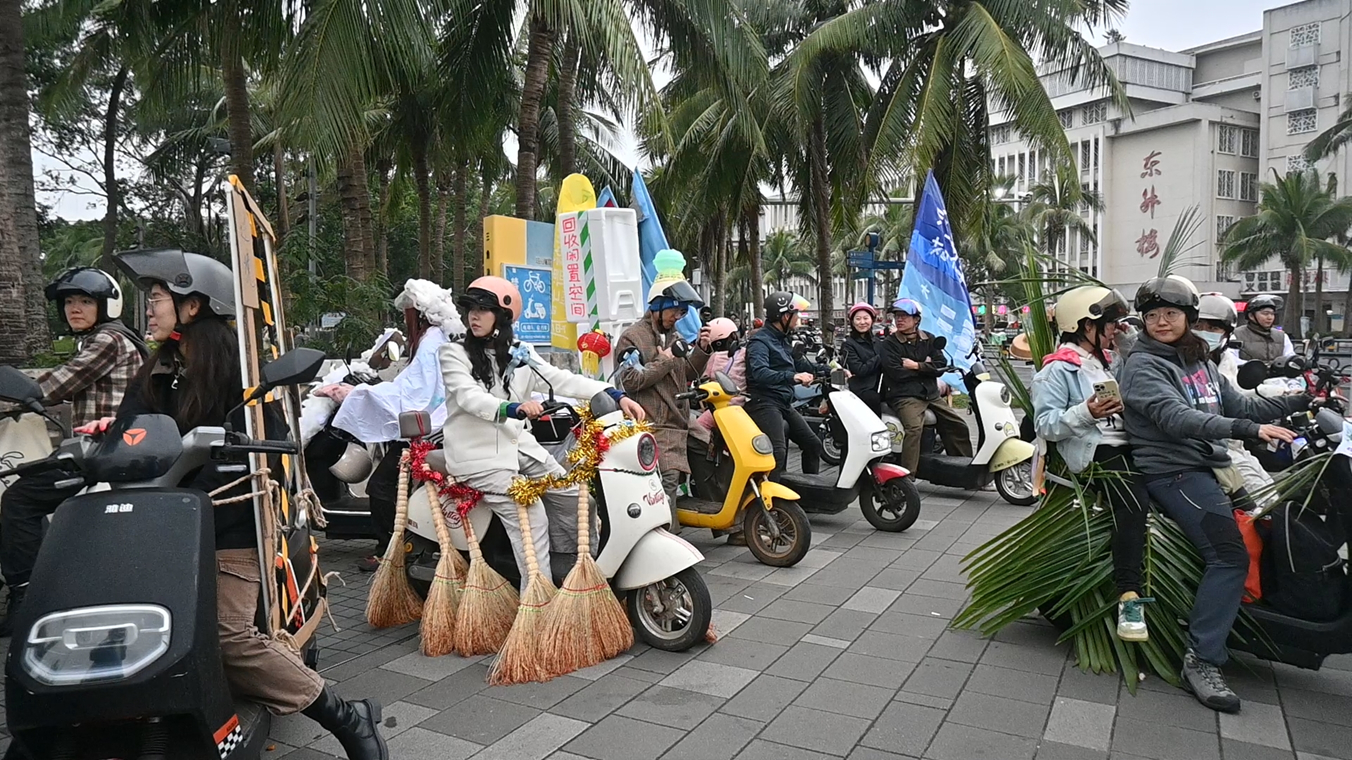
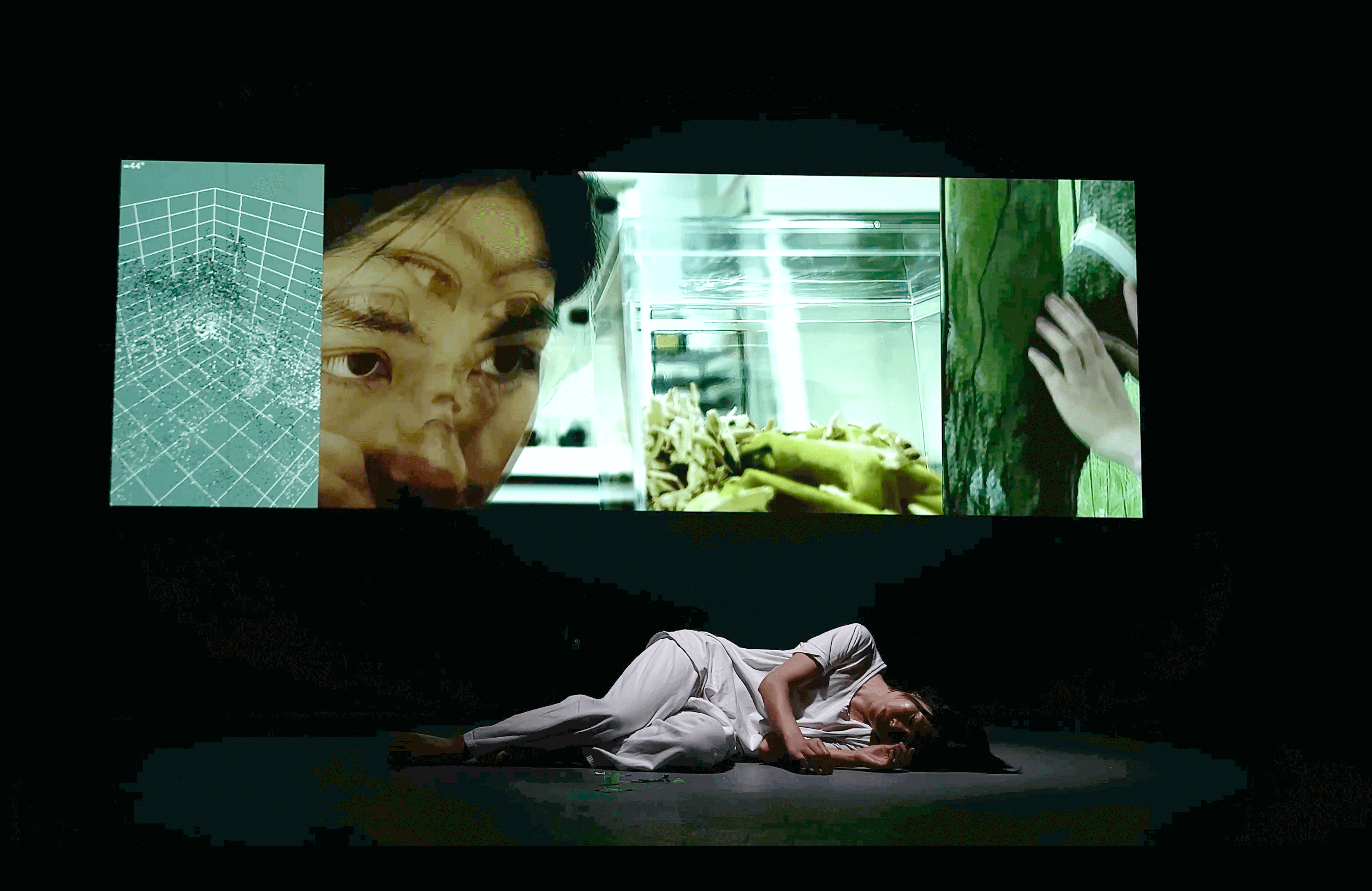
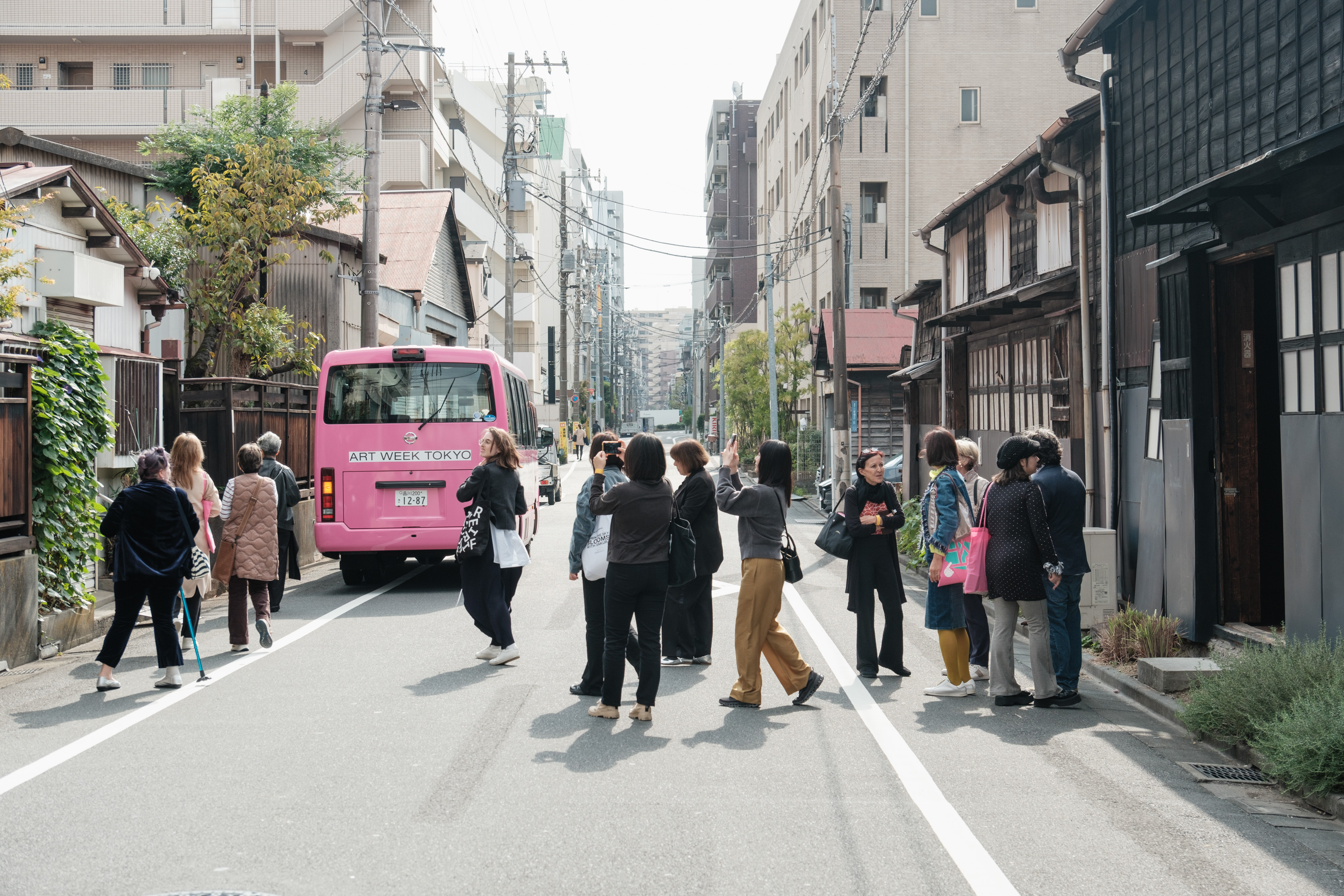
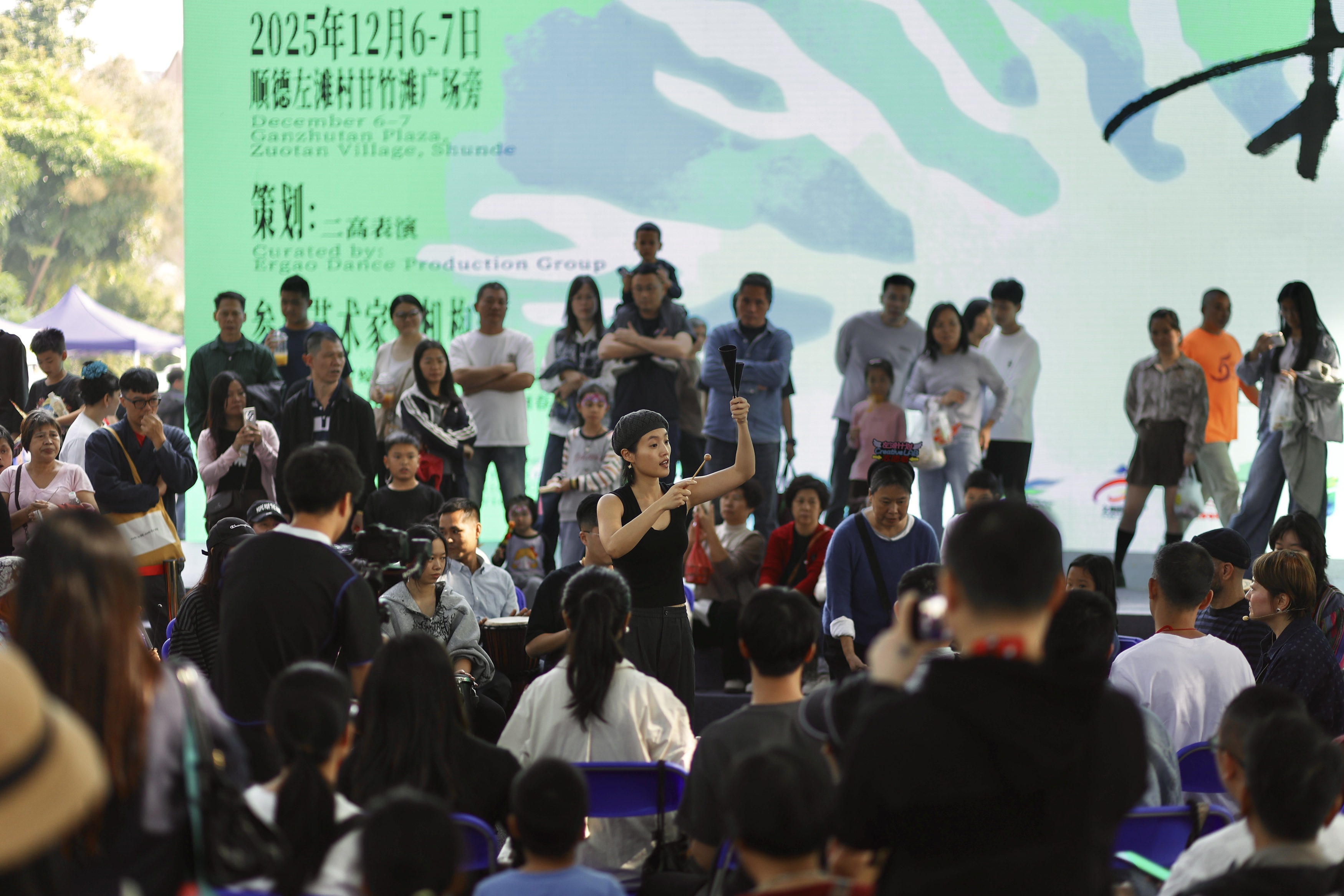
Each contributor will introduce the context and methods that define their organisation's practice: Kindergarten Without Walls, a community initiative that grew from a grocery shop through the repeated arrival of local children; Ergao Dance Production Group, whose work centres on movement, village life, and collective participation; Baopu·FELT, which develops long-term artistic research through fieldwork, language, and local knowledge in a ethnic minority populated region; and Art Museum of Pond Loach, a county museum building meaningful relationships with local communities through exhibitions, education, and public programmes.
This online event marks the first instalment of esea contemporary's ‘Off Centre: Elsewhere in Practice’ talk series.
This online event is free but registration is required.
This talk will be streamed on Zoom and all ticketholders will receive a link to join in advance of the event. It will also be recorded for those not able to join live.
About Off Centre: Elsewhere in Practice
Off Centre: Elsewhere in Practice is a talk and editorial series initiated by esea contemporary Director Xiaowen Zhu, exploring how contemporary art is shaped beyond dominant cultural centres. Bringing together artists, curators, writers, and researchers working across East and Southeast Asia, the series foregrounds practices rooted in specific places, where artistic work develops through everyday life, local knowledge, and long-term engagement with communities.
Moving across urban villages, county towns, coastal regions, and regional networks, the series examines how artistic practice responds to labour, migration, ecology, and social change. Rather than positioning these places as peripheral to cultural production, Off Centre understands them as sites where cultural life is actively produced, negotiated, and sustained.
Together, the talks and accompanying essays consider how artistic practice is shaped by lived conditions rather than institutional proximity. Tracing connections across diverse contexts through questions of care, labour, knowledge, and placemaking, they attend to the ways art is produced, circulated, and sustained within situated environments, while asking how these sites, in turn, generate their own cultural imaginaries and forms of collective life.
Binghuang Xu is a curator, writer, and researcher based in Guangzhou, China, where she co-runs Making Space. Her practice centres on socially engaged art, ecological art, diasporic perspectives, and alternative education. Through fieldwork, writing, exhibitions, workshops, and long-term collaborations, she explores how artistic practice can respond to historical rupture and rebuild relationships between people, places, and forms of knowledge.
She has been a panellist for Environmental Justice in China (Brown University, USA, 2023), a speaker at Overlooked Cities in Asia (Bandung, Indonesia, 2023), and a contributor to Panel 21_Intermission: Curatorial Studies / Education? (China Academy of Art, China, 2025). Xu is a Salzburg Global Fellow and was awarded a Connections Through Culturegrant from the British Council (2024) and the Fellows Award – Cultural & Artistic Responses to the Environmental Crisisfrom the Prince Claus Fund (2025).
Haoduo Tang is an artist, junior high school art teacher, member of the École Psychanalytique du Savoir-y-faire, founder of Banban Grocery Store, and initiator of Kindergarten Without Walls. His socially engaged practice focuses on the growth, education, and wellbeing of children from disadvantaged backgrounds through localised, site-responsive community art.
Kindergarten Without Walls received the Outstanding Design Award at the inaugural Child-Friendly Design Awards in 2023. Tang was also awarded the Excellence Award at the 2nd Circle Art Youth Award. He holds a bachelor's degree in Sculpture from the School of Art at Hainan University and is the initiator of Local and Open: Hainan Without-Wall Art Season (2024).
Qiwo He, known professionally as Er Gao, was born in 1985 in Yangjiang, Guangdong, and is now based between Guangzhou and Zuotan Village, Shunde. He is the founder of the Ergao Dance Production Group (EDPG).
Er Gao's artistic practice explores the intersections of identity, gender, and culture, weaving fleeting moments of togetherness into what he describes as a 'Trans-family'—a gathering across fluid space-times, or an 'interdisciplinary fluid family'. Adopting 'community as a working method', he rejects the outsider's gaze that objectifies subjects from a detached, observational perspective. Instead, he works from a perspective of dwelling, immersing himself in the communities with which he collaborates. His works often bring together queer and anachronistic bodies, pop music, dance, low-tech aesthetics, the gaudy textures of everyday life, and replicas of iconic landmarks from Southern China. These elements coalesce into complex emotional constellations, forming what he describes as a 'site-synthetic' response to the present.
Ran Zhou is co-founder and director of Baopu·FELT, and is based between Vancouver, Canada, and Kaili, China. Her recent work has focused on developing a practical framework for long-term, field-based artistic research, cultural exchange, and experimental cultural production. Together with the FELT team, she initiated and developed The Shape of Language, Baopu·FELT's thematic season launched in September 2025, which explores writing systems, oral traditions, and language practices in Southwest China through research, fieldwork, and public programmes.
Shaped by her experience across Canada, the United Kingdom, the United States, and China, Zhou works across multimedia practice and independent arts infrastructure, exploring cultural hybridity and resilience within the expanding geographies and shifting centres of knowledge production in contemporary art. Her work has been presented at institutions including Tate Modern, Vancouver Art Gallery, and The Polygon Gallery. She has held solo exhibitions in London and Vancouver, including Rigid, supported by Arts Council England in 2024. Her moving-image works have also received multiple awards at international film festivals.
Yunshan Jiang is a multidisciplinary artist and graduate of the Contemporary Art Practice programme at the Royal College of Art, UK. She is currently a project coordinator at Baopu·FELT (Folk Experimental Lab & Transformation). Born in Shenyang, a major industrial city in Northeast China, she has recently been developing her artistic practice and research in Southwest China.
Working across installation, moving image, sound, and textile-based media, Jiang's practice is grounded in material experimentation, fieldwork, and long-term observation. She explores how mechanical technologies, systems of reproduction, and digital processes are translated within craft-based contexts, paying particular attention to moments of misunderstanding, displacement, and transformation between different knowledge systems. Through strategies of juxtaposition and material translation, her work examines technological re-embedding, material instability, and the shifting relationships between local culture, perception, and contemporary image production.
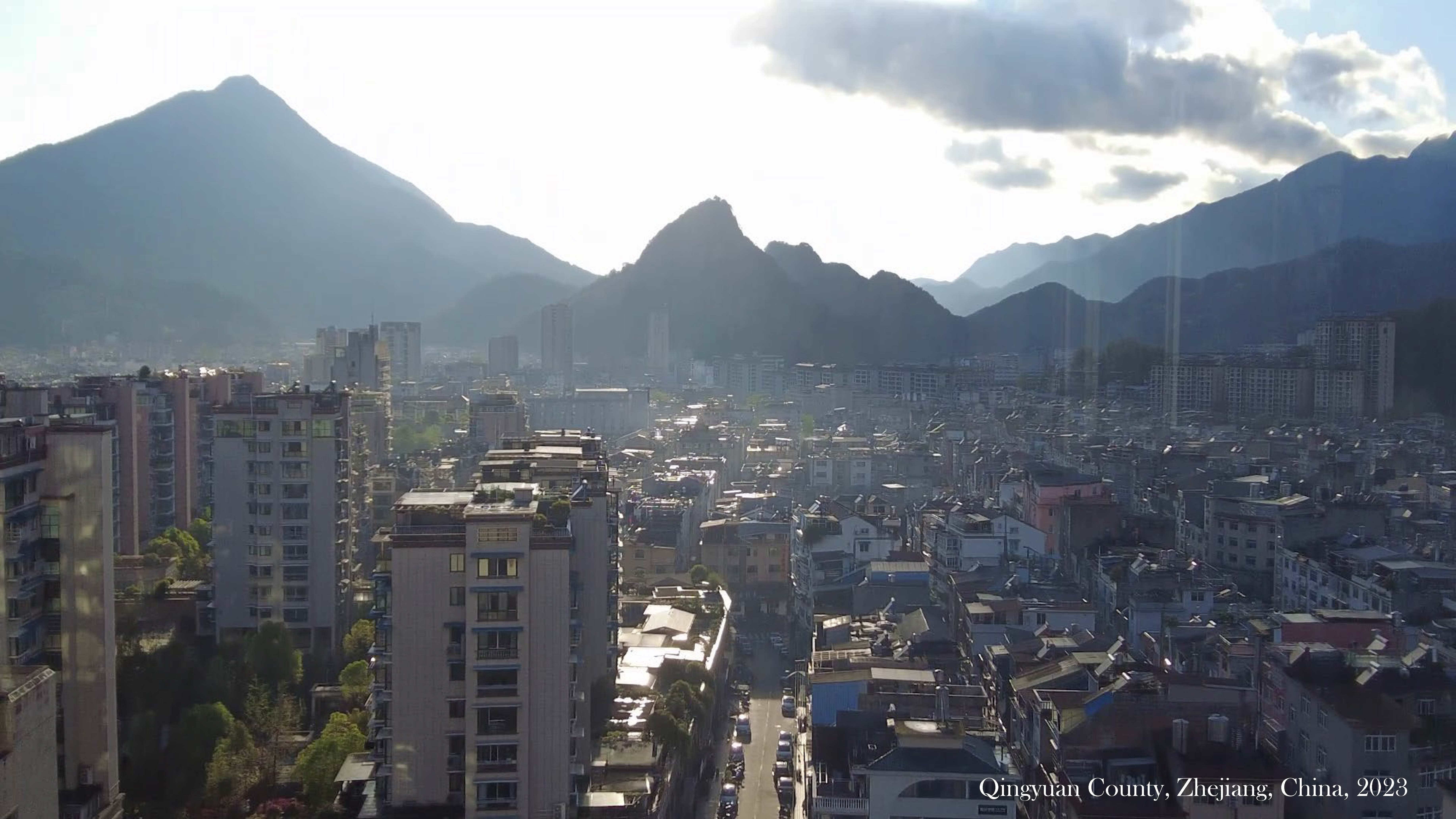
Dingyu Hu is a curator and director of the Art Museum of Pond Loach (AMPL). Born in Qingyuan County, Zhejiang, she lives and works between Zhejiang and Liaoning, China. Her research and curatorial practice focus on county-based institutional experiments and media art. Through the conceptual lens of 'county time', she examines the temporal structures, social relations, and modes of cultural production that emerge within the transitional conditions between the urban and the rural.
Hu remains sceptical of the assumptions underpinning established place-based art methodologies, instead engaging with artistic practices rooted in everyday temporal experience and their evolving forms of publicness. She holds a Bachelor of Architecture from Zhejiang University and a Research Master's degree in Arts and Culture from Leiden University.